

Kilimanjaro Climbing · · 4 min read
Why Is Mount Kilimanjaro a Natural Wonder?
Discover why Mount Kilimanjaro, Africa's tallest peak, is a natural wonder: its iconic beauty, diverse ecosystems, cultural significance and challenging climbing routes.
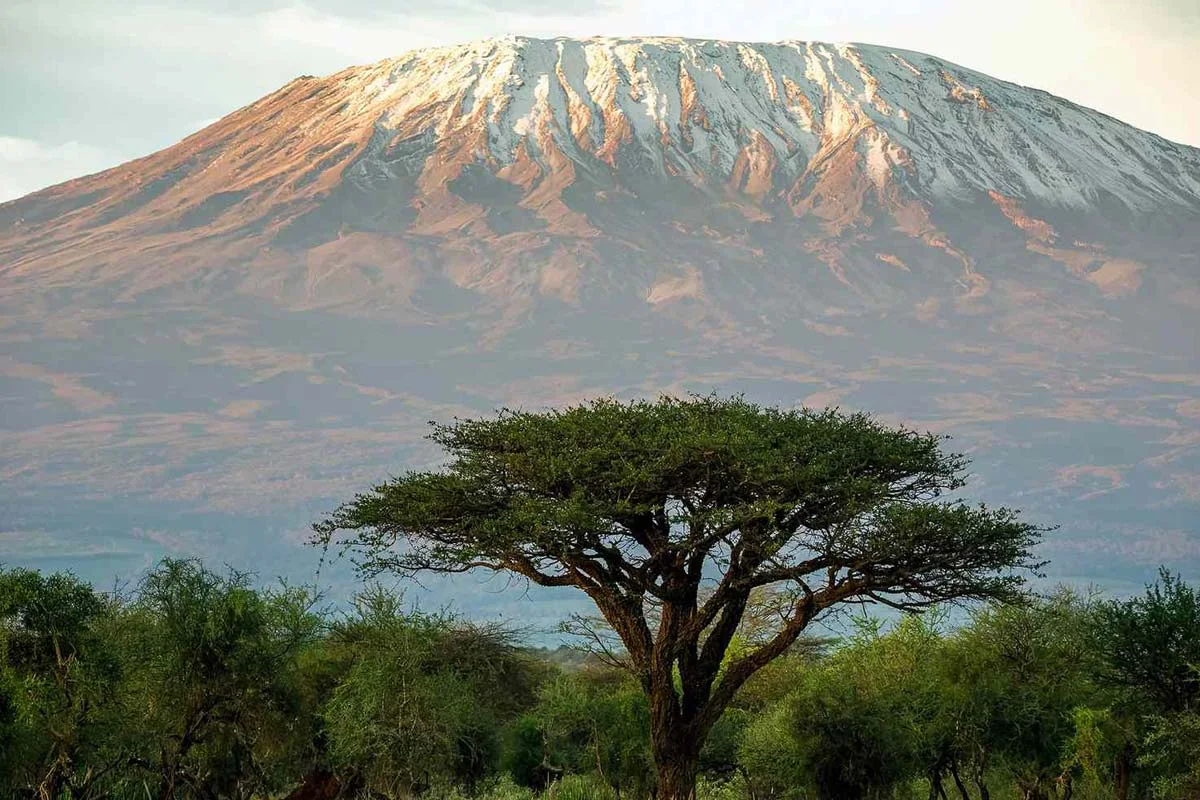
Welcome to our comprehensive guide to Mount Kilimanjaro, one of Africa's most iconic and awe-inspiring natural wonders. Here we look at the many sides of Kilimanjaro's beauty and significance: its towering height, diverse ecosystems, cultural importance and the thrilling adventure it offers climbers from around the world. Join us on a virtual journey to uncover the many facets of this majestic mountain and discover why it continues to capture the hearts and minds of people everywhere.
Why Mount Kilimanjaro is considered a natural wonder
Iconic beauty
At the heart of Mount Kilimanjaro's appeal is its unparalleled beauty. Rising majestically above the African plains, Kilimanjaro's snow-capped peak creates a stunning view that has mesmerised travellers and explorers for centuries. Its distinctive silhouette against the sky is a sight to behold, inspiring wonder and awe. Whether seen from afar or up close, Kilimanjaro's iconic beauty never fails to leave a lasting impression.
Kilimanjaro's beauty lies not only in its physical grandeur but also in its uniqueness. Unlike many other mountains, Kilimanjaro stands alone, a solitary giant amid the vastness of the African landscape. Its snow-capped peak, shimmering in the sunlight, contrasts starkly with the surrounding savannah and forest, making it a truly breathtaking sight.
The tallest peak in Africa
As the highest peak on the African continent, Mount Kilimanjaro commands attention and respect. Its towering height of 5,895 metres (19,341 feet) above sea level makes it a symbol of natural wonder and a geological marvel. Kilimanjaro's prominence is a testament not just to its physical stature but also to the powerful forces of nature that shaped it over millions of years.
The geological history of Kilimanjaro is as fascinating as it is complex. Formed by a series of volcanic eruptions and tectonic activity, the mountain has undergone dramatic changes over time. Today, its snow-capped summit stands as a testament to the enduring power of nature and the relentless forces that continue to shape our planet.
Diverse ecosystems
One of the most remarkable things about Mount Kilimanjaro is its incredible diversity of ecosystems. From lush rainforest to alpine meadows, Kilimanjaro's slopes are home to a wide range of habitats, each supporting its own plant and animal life. This rich tapestry of biodiversity reflects the mountain's ecological significance and its importance as a haven for wildlife.
The lower slopes of Kilimanjaro are cloaked in dense montane forest, where countless plant species thrive in the humid, tropical climate. Here, towering trees, ferns and mosses form a lush green canopy that teems with life. Higher up, the landscape gives way to heath and moorland, with open grassland and hardy shrubs adapted to the harsh conditions.
Cultural significance
Beyond its natural beauty and ecological importance, Mount Kilimanjaro holds profound cultural significance for the indigenous peoples of Tanzania, particularly the Chagga, the Maasai and other local communities. For centuries, the mountain has been woven into the fabric of their traditions, folklore and spiritual beliefs, serving as a sacred symbol of their connection to the land.
To the Chagga people, who have lived in the shadow of Kilimanjaro for generations, the mountain is known as "Kilema Kyaro", or "Mountain of Caravans". It is believed to be the home of the gods and the source of the life-giving waters that sustain the surrounding communities. The Maasai also revere Kilimanjaro, seeing it as a place of spiritual significance and a symbol of their cultural identity.
Challenging climbing opportunities
For adventurous spirits who want to test their limits on one of the world's most famous peaks, Mount Kilimanjaro offers the ultimate challenge. Climbing Kilimanjaro is not just a physical feat but also a deeply personal, transformative journey that pushes climbers to their limits and rewards them with unparalleled views and a sense of accomplishment.
With several routes of varying difficulty and length, Kilimanjaro has something for every aspiring climber. Whether you are a seasoned mountaineer or a novice adventurer, there is a route that is perfect for you. From the popular Marangu route to the more challenging Machame route, each path has its own challenges and rewards, ensuring a truly unforgettable experience for everyone who sets out to summit Kilimanjaro.
Discover the captivating wonders of Tanzania's exquisite national parks, from the legendary Serengeti, where you can witness the mesmerising spectacle of the wildlife migration, to the enchanting Ngorongoro Crater, a haven for a wealth of wildlife species. Seize the opportunity to conquer Kilimanjaro, Africa's highest peak, and immerse yourself in its awe-inspiring views. Extend your journey to the unspoilt shores of Zanzibar, where pristine turquoise waters and powdery white sands beckon. Join us on an unforgettable safari and uncover the splendour and magic of this extraordinary country.
