

Tanzania Safari · · 6 min read
The Big Five Safari: Where to See Lions, Elephants and More in Tanzania
Where to see lions, elephants, buffaloes, leopards and rhinos in Tanzania – from the Serengeti and Ngorongoro Crater to Selous, Tarangire and Ruaha – plus tips on timing.
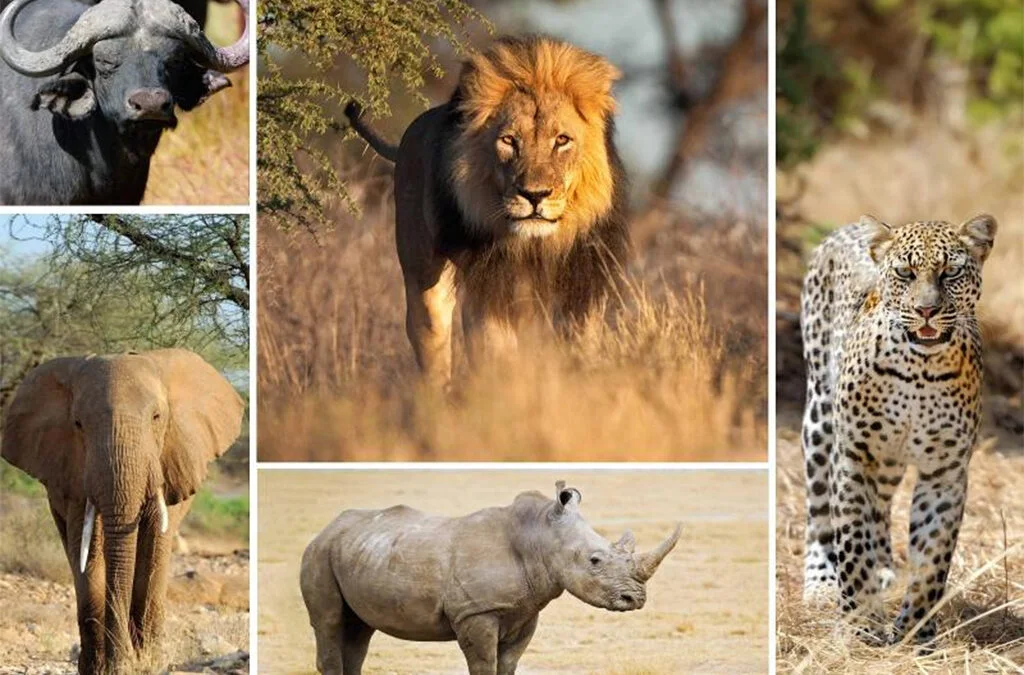
Have you ever wondered where you can see majestic lions, towering elephants and more of Africa’s iconic wildlife in their natural habitat? Tanzania offers extraordinary safari experiences that bring you face to face with the Big Five. From the sprawling Serengeti plains to the lush Ngorongoro Crater, the possibilities for unforgettable encounters with these amazing creatures are endless.
The term “Big Five” originally referred to the five most difficult animals to hunt on foot, but today it stands for the ultimate African safari experience. Tanzania is home to some of the largest populations of these species, making it a top destination for wildlife enthusiasts. Serengeti National Park alone has more than 3,000 lions, providing ample opportunities to spot these magnificent predators in action.
The best places to see the Big Five in Tanzania include Serengeti National Park, the Ngorongoro Conservation Area, Selous Game Reserve, Tarangire National Park and Ruaha National Park. These parks offer diverse landscapes and rich wildlife experiences, with opportunities to see lions, elephants, buffaloes, leopards and rhinos in their natural habitats.
Where to see the Big Five in Tanzania
For a thrilling adventure, Tanzania is the prime place to see the Big Five: lions, elephants, buffaloes, leopards and rhinos. Serengeti National Park, with its vast savannahs, is home to large prides of lions. You can also find elephants wandering through the stunning landscapes of Tarangire National Park. Each park offers unique opportunities for wildlife enthusiasts and photographers alike. Seeing these majestic animals in their natural habitat is a once-in-a-lifetime experience.
The Ngorongoro Conservation Area is renowned for its high density of wildlife, including large herds of elephants and buffaloes. The Ngorongoro Crater is a UNESCO World Heritage Site and a unique microcosm of varied species, including the elusive leopard. Taking a guided tour can increase your chances of spotting all of the Big Five in one place. The crater’s setting also offers spectacular views and varied photographic opportunities, making it a memorable part of any Tanzanian safari.
Selous Game Reserve, one of the largest wildlife reserves in Africa, offers an incredible variety of habitats. From lush wetlands to expansive woodlands, it is home to an impressive range of wildlife, such as lions and rhinos. Visitors can take boat safaris or walking tours led by experienced local guides, which offer a closer look at the region’s flora and fauna. The diverse ecosystem supports a thriving population of all the Big Five.
For those interested in off-the-beaten-track adventures, Ruaha National Park is a hidden gem. It’s less crowded but no less impressive in terms of wildlife, and is known for its large herds of elephants and prides of lions. Visitors can take guided game drives along the park’s scenic routes. Ruaha offers a peaceful yet exhilarating safari experience, away from the busier parks.
The best national parks and reserves for Big Five sightings
Serengeti National Park is one of the most famous places for Big Five sightings. It’s renowned for its annual migration of more than 1.5 million wildebeest and countless zebras. The park’s vast plains give predators such as lions and leopards ample space, while elephants and buffaloes are often seen near water sources. Visitors are likely to spot these majestic animals on a game drive.
The Ngorongoro Conservation Area, and especially the Ngorongoro Crater within it, offers an extraordinary wildlife experience. The crater acts as a natural enclosure, making it easier to see the Big Five. Rhinos, in particular, are frequently seen grazing on the lush crater floor. The area also offers walking safaris, adding a thrilling dimension to your visit. Every corner of this unique conservation area teems with animal life.
Selous Game Reserve in southern Tanzania is another excellent destination for those seeking the Big Five. Known for its varied landscape of rivers, lakes and savannahs, Selous is perfect for boat and walking safaris. The reserve is home to significant populations of lions, elephants and buffaloes, and leopard sightings are common on guided tours. Its expansive, varied terrain makes it a must-visit.
Last but not least, Tarangire National Park is a hidden gem that should not be overlooked. The park is most famous for its large elephant population and ancient baobab trees, and visitors can often see lions and buffaloes roaming. The park’s swamps, which attract many bird species, also support a high diversity of wildlife. Tarangire offers an enchanting, less crowded safari experience.
Wildlife conservation efforts in Tanzania by Rolux Safaris
Rolux Safaris is deeply committed to wildlife conservation in Tanzania. The company works actively with local communities to promote sustainable tourism. Its initiatives include anti-poaching measures and wildlife monitoring programmes, and it partners with conservation groups to protect endangered species. These efforts help preserve the rich biodiversity of Tanzania’s parks.
One key initiative by Rolux Safaris is supporting local rangers by providing essential equipment and training to strengthen their patrols. This helps prevent the illegal hunting and trapping of animals, as the presence of well-equipped rangers deters poachers. The result is safer habitats for the Big Five and other wildlife.
Another significant effort is habitat restoration. Rolux Safaris plants trees and restores damaged areas to improve the environment. These projects benefit both the animals and the local communities, and they also address the impacts of climate change. Restoring habitats helps keep the ecosystem healthy and balanced.
Environmental education is also a focus for Rolux Safaris, which runs awareness programmes in schools and villages. These programmes teach the importance of conserving wildlife and protecting natural resources. By educating the younger generation, they foster a culture of conservation. Such initiatives support long-term success in preserving Tanzania’s wildlife.
Experiencing the Big Five: tips and the best times to visit
Planning a safari to see the Big Five in Tanzania requires careful thought about timing. The dry season, from late June to October, is often the best time to visit. During these months, animals gather around water sources, making them easier to spot. This is also when the Great Migration takes place in the Serengeti, providing a wildlife spectacle. Visiting in the dry season gives you the best conditions for game viewing.
For the most successful wildlife sightings, consider a guided safari. Expert guides can take you to the places where animals are most likely to be. They know the behaviour and habits of different species, increasing your chances of seeing all the Big Five. Morning and late-afternoon drives are particularly rewarding, as these are the times when animals are most active and you can capture some fantastic photos.
Packing the right gear is essential for an enjoyable safari. Lightweight clothing, hats and sturdy shoes are recommended. Don’t forget binoculars and a good camera to enhance your viewing. Sunscreen and insect repellent are also important. Being well prepared lets you fully appreciate the adventure.
Remember that patience is key when it comes to wildlife viewing. Sometimes you may have to wait before a lion or elephant appears, so use the time to enjoy the scenery and the smaller animals and birds. Safaris are unpredictable, but that’s also what makes them exciting. The thrill of a sudden sighting is worth the wait.
Respect the animals’ space and never try to get too close, as this can be dangerous. Stay in your vehicle during game drives and follow your safari guide’s instructions at all times. Keeping a safe distance protects both your safety and the animals’ well-being. Enjoy the beauty of these incredible creatures from a respectful distance.
