

Tanzania Safari · · 5 min read
Tanzania’s Big Five Safaris: Where to Spot Them in 2025
Find out where to spot the Big Five in Tanzania, from the Serengeti and Ngorongoro Crater to Tarangire, Nyerere and Ruaha, with tips for planning your safari.
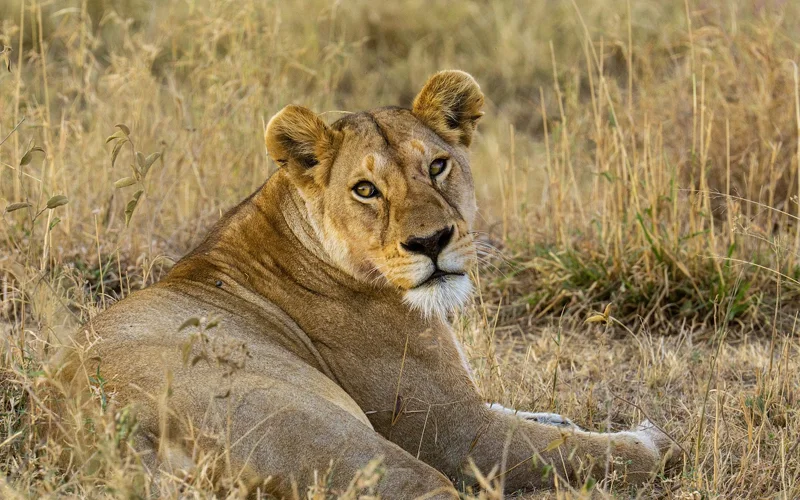
Big Five safaris in Tanzania in 2025
Tanzania is a dream destination for wildlife lovers, and its legendary Big Five – lion, leopard, elephant, rhinoceros and buffalo – are the crown jewels of any safari adventure. With its diverse landscapes and world-renowned national parks, Tanzania offers unrivalled opportunities to encounter these majestic creatures in their natural habitat. Whether you’re planning a first safari or a return trip, here’s everything you need to know about spotting the Big Five in 2025.
The Big Five: a quick introduction
The term “Big Five” originally referred to the five most challenging animals to hunt on foot in Africa. Today, it’s a badge of honour for safari-goers who want to see these iconic animals in the wild. Here’s a closer look at each member of the Big Five:
- Lion: the “King of the Jungle”, known for its majestic mane and its dominance of the savannah.
- Leopard: the elusive, stealthy predator, often spotted in trees or at night.
- Elephant: the gentle giant, admired for its intelligence and social behaviour.
- Rhinoceros: a critically endangered species; the black rhino is the rarest of the Big Five in Tanzania.
- Buffalo: known for its unpredictable nature and formidable strength.
Top parks to spot the Big Five in Tanzania
- Why visit: famous for its vast plains, the Serengeti is home to all five members of the Big Five.
- What to expect: lions lounging in the grasslands, elephants roaming in large herds and leopards camouflaged in acacia trees.
- Best time to visit: June to October, during the dry season, for the best wildlife viewing.
- Why visit: this UNESCO World Heritage Site has one of the highest concentrations of wildlife in Africa.
- What to expect: black rhinos grazing on the crater floor, lions stalking prey and herds of buffalo grazing near the wetlands.
- Best time to visit: year-round, though the dry season (June to October) is ideal for easier spotting.
- Why visit: known for its huge elephant population and iconic baobab trees.
- What to expect: elephants and buffalo, with occasional sightings of leopards near the riverbanks.
- Best time to visit: July to October, when animals gather around water sources.
4. Selous Game Reserve (Nyerere National Park)
- Why visit: an off-the-beaten-track destination offering intimate safari experiences.
- What to expect: lions, elephants and buffalo in abundance. Leopard and black rhino sightings are rarer but possible.
- Best time to visit: June to October for dry-season safaris.
5. Ruaha National Park
- Why visit: Tanzania’s largest national park, known for its rugged terrain and remote appeal.
- What to expect: Ruaha is a prime spot for lions and leopards, along with impressive elephant and buffalo herds.
- Best time to visit: June to October, when wildlife activity is most concentrated.
Tips for spotting the Big Five
1. Hire an experienced guide
An expert guide understands animal behaviour and knows the best locations, increasing your chances of spotting elusive animals such as leopards and black rhinos.
2. Visit during the peak wildlife-viewing season
The dry season (June to October) is ideal, as animals congregate around water sources, making them easier to find.
3. Be patient and observant
Wildlife spotting requires patience. Keep your binoculars handy and watch for subtle movements in the distance.
4. Consider night safaris
Some members of the Big Five, such as leopards, are more active at night. Night safaris offer a unique opportunity to observe them in action.
5. Opt for private reserves
Private reserves such as Grumeti and Singita provide exclusive access to wildlife-rich areas, improving your chances of spotting the Big Five.
The role of conservation in preserving the Big Five
1. Protecting endangered species
Efforts to conserve black rhinos have made progress, but the species remains critically endangered because of poaching. By visiting Tanzania, you help fund anti-poaching initiatives.
2. Community involvement
Local communities play a significant role in conservation. Sustainable tourism ensures that local people benefit from preserving wildlife, fostering long-term stewardship.
3. Eco-friendly tourism practices
Tour operators in Tanzania are increasingly adopting eco-friendly practices, from solar-powered lodges to minimising vehicle emissions on safari.
What makes a Big Five safari unforgettable?
- Close encounters: watching a pride of lions hunt or a leopard resting in a tree creates memories that last a lifetime.
- Photographic opportunities: Tanzania’s dramatic landscapes provide the perfect backdrop for stunning wildlife photography.
- Cultural insights: many safaris include visits to Maasai villages, offering a deeper understanding of Tanzania’s rich heritage.
Tanzania’s Big Five safaris are an unrivalled adventure, combining breathtaking landscapes with the thrill of spotting some of the most iconic animals on Earth. Whether you’re exploring the Serengeti’s endless plains, the Ngorongoro Crater’s lush ecosystem or the remote beauty of Ruaha, 2025 promises extraordinary encounters with the Big Five. Start planning your trip now and prepare for a journey that will leave you in awe of Tanzania’s natural wonders.
Frequently asked questions about Big Five safaris
1. What are the Big Five animals in Tanzania? The Big Five are the lion, leopard, elephant, rhinoceros and buffalo.
2. Which park is best for seeing the Big Five in Tanzania? The Serengeti and Ngorongoro Crater are top choices, offering a high chance of spotting all five.
3. Can I see all of the Big Five in one trip? Yes. A well-planned safari to parks such as the Serengeti and Ngorongoro Crater can yield sightings of all five species.
4. When is the best time to go on a Big Five safari? The dry season (June to October) is ideal for wildlife viewing, as animals are more concentrated around water sources.
5. How can I book a Big Five safari in Tanzania? Contact reputable tour operators or book through trusted platforms that specialise in Tanzania safaris.
Embark on a Big Five adventure in Tanzania and make 2025 a year to remember.
Plan your ultimate Tanzanian adventure
Explore our pages for detailed insights on:
- Arusha National Park
- Climbing Kilimanjaro
- Kilimanjaro climb packing list
- Kilimanjaro FAQs
- Cultural tours
- Day trips and tours
Start your unforgettable journey today.
