

Tanzania Safari · · 6 min read
Serengeti National Park: The Crown Jewel of Tanzania
Serengeti National Park covers 14,750 square kilometres of northern Tanzania and hosts the Great Migration, the Big Five and around 500 bird species.
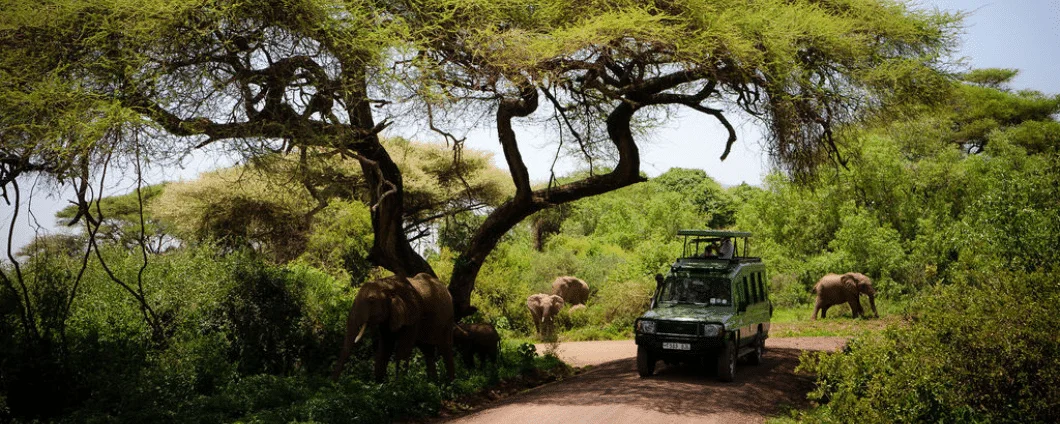
Picture yourself surrounded by 1.5 million wildebeest thundering across the plains of the Serengeti, a sight so awe-inspiring that it has earned a place among the Seven Natural Wonders of the World. This mesmerising spectacle, known as the Great Migration, is just one of the many reasons why Serengeti National Park is considered Tanzania’s crown jewel. It’s an unparalleled experience in the natural world, offering a glimpse of raw, untamed wilderness.
Established in 1951, Serengeti National Park protects one of the oldest and most celebrated ecosystems on the planet. Covering more than 14,750 square kilometres, it is home to the Big Five and a wealth of other wildlife. With more than 500 bird species and its iconic acacia savannahs, the park also plays a crucial role in global biodiversity conservation.
Serengeti National Park, covering 14,750 square kilometres in northern Tanzania, is renowned for its diverse ecosystems and iconic wildlife. Known as the crown jewel of Tanzania, it hosts the annual Great Migration of millions of wildebeest and zebras, making it a critical area for conservation and eco-tourism.
Serengeti National Park, in northern Tanzania, covers 14,750 square kilometres. It is famous for its annual Great Migration, in which millions of wildebeest, zebras and gazelles migrate, one of the most spectacular wildlife shows on Earth. The park also has diverse landscapes, from vast grasslands to lush forest, and these varied habitats support a rich array of animal species.
The park’s climate varies with altitude, making it a year-round destination. In the dry season, animals gather around water sources, which is ideal for wildlife viewing, while the wet season transforms the park into a green paradise. Birdwatchers will find the wet season fascinating, as migratory birds arrive in large numbers. This variety of climate and seasons ensures a different experience on every visit.
The Serengeti is also a key player in global conservation. The park is home to the Big Five: lions, elephants, buffalo, leopards and rhinos. Conservation projects help protect these majestic animals from poaching and habitat loss, and there are also efforts to involve local communities in conservation, creating jobs and raising awareness of the importance of protecting wildlife.
A visit to Serengeti National Park offers more than just a safari. Cultural tours introduce visitors to the Maasai, one of Africa’s most iconic peoples, with activities such as traditional dances, storytelling and craft sessions. The park offers a range of comfortable accommodation, from luxury lodges to mobile camps, ensuring a memorable stay in the wilderness while you learn about Tanzania’s rich culture.
The park’s biodiversity and landscape
The Serengeti supports an incredible variety of life in a vibrant ecosystem, including more than 70 large mammal species and approximately 500 bird species. This diversity is spread across different environments, such as savannah, woodland and riverine forest, which provide shelter and food for numerous creatures. Each area offers its own opportunities for wildlife watching.
One remarkable feature of the Serengeti’s landscape is its vast open plains, the stage for the Great Migration. Other key features are the granite kopjes, or rocky outcrops, that dot the terrain and serve as lookout points for predators such as lions and leopards. Rivers and wetlands criss-cross the park, supporting lush vegetation and aquatic life.
The biodiversity extends to plants, with more than 4,000 types of vegetation. Acacia trees dominate the savannah, providing shade and food, and the grasses range from short species on the southern plains to taller ones in the north. This rich plant life supports the herbivores, which in turn sustain the carnivores, in a balanced and interconnected ecosystem.
Conservation is central to maintaining the park’s biodiversity and landscape. Organisations work to preserve habitats and species through a range of initiatives, anti-poaching work is critical to protecting wildlife, and sustainable tourism practices aim to minimise environmental impact. Together, these efforts ensure that the Serengeti remains a natural wonder for future generations.
Iconic wildlife and conservation
Serengeti National Park is synonymous with iconic wildlife. The park is renowned for its lions, often seen lounging on rocks or hunting in prides. Elephants roam the park freely, their size and presence awe-inspiring, and elusive leopards rest in the trees. Each of these magnificent animals is integral to the park’s ecosystem.
Conservation is crucial to preserving the Serengeti’s rich biodiversity, and anti-poaching initiatives are at the forefront. Rangers patrol vast areas every day to protect animals from illegal hunting, and advanced technologies such as GPS tracking help monitor wildlife. These strategies significantly reduce the threats to endangered species.
Community involvement is vital for successful conservation. Local communities take part in programmes that promote sustainable living, and by offering eco-friendly alternatives, the park helps ensure that villagers do not rely on poaching for income. Educational campaigns teach the importance of wildlife conservation, fostering a sense of shared responsibility.
Research plays a substantial role in guiding conservation strategies. Scientists study animal behaviour, migration patterns and genetics, and their findings inform policies and protective measures. This research is pivotal in adapting to changing environmental conditions and helps maintain the delicate balance of the Serengeti ecosystem.
Cultural significance and visitor experiences
The Serengeti holds deep cultural significance for the Maasai people, who have lived in this region for centuries, their traditions closely interwoven with the land. The Maasai are known for their distinctive red clothing and beadwork. Visitors can experience their culture on village tours, which offer insights into their daily lives and unique customs.
Visitors have a wide range of experiences to choose from in the Serengeti. Game drives are among the most popular activities, with guided tours taking visitors close to the wildlife for breathtaking views. Hot air balloon rides provide a unique perspective of the park, letting you float above the plains and take in the vast landscape from the sky.
Walking safaris offer a different kind of adventure. These guided walks let you explore the park on foot and learn about the plants and smaller creatures that are often missed from a vehicle. Guides share their knowledge of animal tracks and plants, and this intimate experience brings visitors closer to nature.
Accommodation in the Serengeti ranges from luxury lodges to mobile camps. Luxury lodges offer comfort and stunning views of the park, while mobile camps provide a more rustic experience that brings guests closer to nature. Many properties have amenities such as pools and dining areas, so every kind of traveller can find somewhere suitable to stay.
Eco-tourism is a growing trend in the Serengeti. Many tour operators focus on sustainable practices, aiming to minimise environmental impact while supporting local communities, and visitors are encouraged to travel responsibly. This approach helps keep the park pristine for future generations.
Special events and festivals highlight the cultural significance of the region. The Great Migration is a natural event not to be missed, while cultural festivals showcase traditional music, dance and art. These events draw visitors from all over the world and offer a perfect blend of natural beauty and cultural richness.
Key takeaways
- Serengeti National Park covers 14,750 square kilometres in northern Tanzania.
- It is famous for its diverse ecosystems and iconic wildlife.
- The Great Migration involves millions of wildebeest and zebras every year.
- The park is crucial for conservation and eco-tourism.
- It is known as the crown jewel of Tanzania.
