

Beach Holiday · · 6 min read
New Flights to Tanzania’s Coastal Regions Announced This Week
New international and domestic flights now link Dubai, Doha and Nairobi with Zanzibar, Dar es Salaam and Pemba, opening up Tanga, Mafia Island and more of Tanzania’s coast.
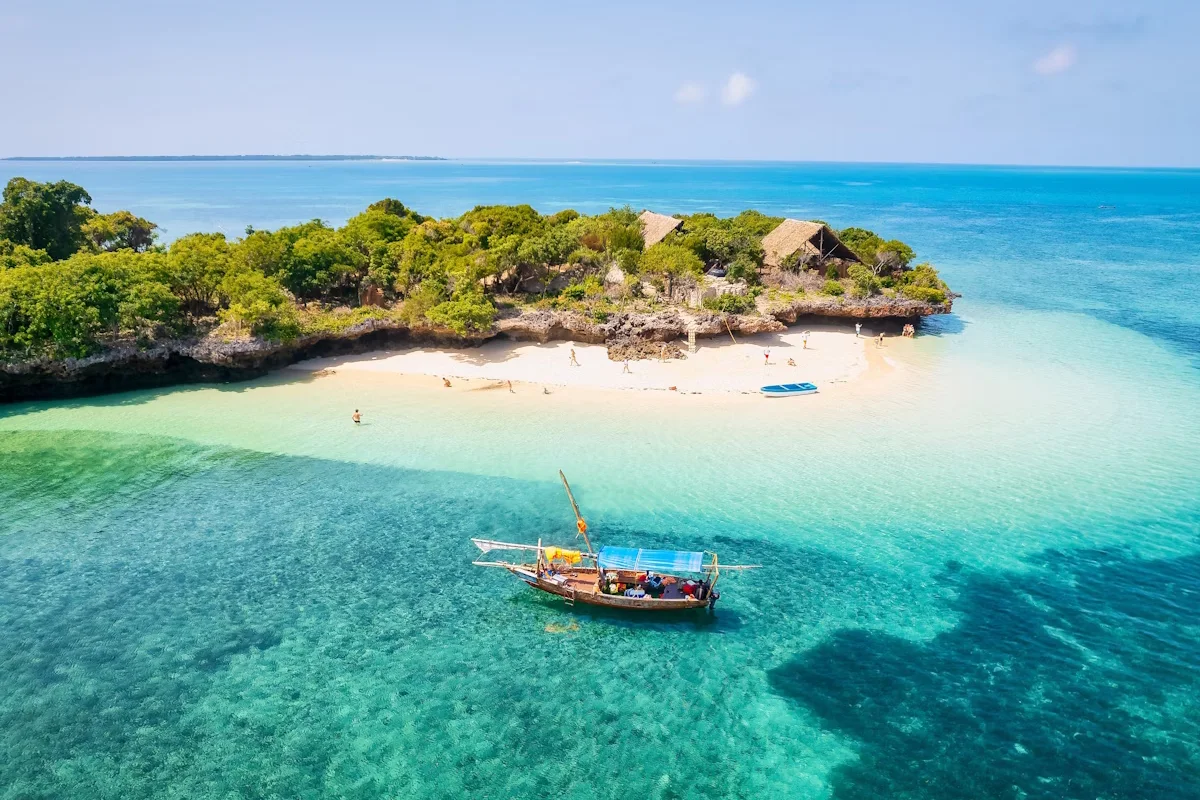
Tanzania’s coastal regions, known for their pristine beaches, vibrant marine life and historic sites, are now more accessible than ever. This week, several airlines announced new routes to Tanzania’s coastal cities and islands, making it easier for travellers to reach stunning destinations such as Zanzibar, Pemba and Tanga. This is a significant boost for Tanzania’s tourism industry, giving both domestic and international tourists more convenient ways to explore the country’s beautiful coastline. The new routes also reflect Tanzania’s commitment to expanding its tourism infrastructure and supporting sustainable travel to less-visited regions.
New routes and expanded services
The latest announcements include new direct flights from major cities in East Africa and the Middle East, along with expanded domestic connections within Tanzania. This wider network gives travellers easier access to coastal regions that were previously hard to reach, opening up opportunities for tourism, business and cultural exchange.
- Direct international connections
Several airlines have added direct flights from cities such as Dubai, Doha and Nairobi to Zanzibar and Dar es Salaam, meeting growing demand for beach destinations among international tourists. With these routes, visitors can reach Tanzania’s coastal gems with fewer stopovers and shorter journey times, improving the whole travel experience.
Notable new international routes include:
- Dubai to Zanzibar with Emirates
- Doha to Dar es Salaam with Qatar Airways, with connections to other coastal regions
- Nairobi to Pemba with Kenya Airways
- More domestic connections
As well as the international routes, local carriers such as Air Tanzania and Precision Air have announced new domestic routes and more frequent flights on existing routes to coastal areas such as Tanga, Mafia Island and Pemba. These flights give Tanzanians and international visitors more ways to explore the coast’s hidden gems without long overland journeys.
Key domestic expansions include:
- Dar es Salaam to Tanga
- Arusha to Zanzibar
- Dar es Salaam to Mafia Island
Impact on Tanzania’s tourism industry
- Boosting ecotourism and coastal destinations
Easier access to Tanzania’s coastal regions is expected to attract more ecotourists and adventure travellers looking for unusual, off-the-beaten-path destinations. Tanga, Mafia Island and Pemba in particular offer incredible biodiversity and ecotourism experiences such as snorkelling, diving and whale shark encounters. The new routes make it easier for eco-conscious travellers to visit these areas, encouraging sustainable tourism growth.
The Tanzanian government and tourist board are also focusing on promoting the Southern Circuit, which includes coastal attractions that are often overshadowed by the Northern Circuit. The new flights will help raise awareness of these regions and make it easier for tourists to combine a safari with a beach break.
- Economic opportunities for local communities
The expanded routes create new economic opportunities for local communities by increasing visitor numbers. Tourism revenue from these regions supports local businesses, from hotels and restaurants to artisans and tour operators. By improving access to the coast, the new flights also contribute to economic growth, job creation and sustainable development in these areas.
For local communities, tourism is an opportunity to showcase their culture, traditions and natural heritage. Many new tourism initiatives on the coast include community-based tours, where visitors can learn about local customs, handicrafts and marine conservation.
- Promoting sustainable travel
The new flights fit Tanzania’s vision for sustainable tourism. Coastal destinations such as Mafia Island and Pemba are sensitive marine ecosystems that depend on careful management to protect their biodiversity. By providing convenient travel options, the government aims to promote ecotourism activities that raise conservation awareness and encourage responsible travel.
Tourism authorities are working with airlines and local stakeholders to make sure the growing number of tourists does not harm the environment. Eco-friendly accommodation, waste management initiatives and conservation-focused excursions, for example, are encouraged to minimise the impact of tourism on these fragile ecosystems.
Highlights of Tanzania’s coastal regions
With easier access, travellers now have more ways to explore Tanzania’s coastal treasures, each offering something different:
- The Zanzibar Archipelago: The famous island of Zanzibar, with its historic Stone Town and powdery white-sand beaches, is one of Tanzania’s top attractions. Known for its Swahili culture and rich spice history, Zanzibar offers a mix of culture, relaxation and adventure. The new flights make it even easier to enjoy its famous beach resorts, dive sites and dhow cruises.
- Pemba Island: Pemba, Zanzibar’s lesser-known sister island, is a haven for divers and nature lovers. It has pristine coral reefs, lush mangrove forests and a quieter atmosphere than Zanzibar, and its distinctive culture and remote beaches attract those looking for a more secluded, immersive experience. Direct flights from Nairobi make Pemba accessible to international visitors.
- Mafia Island: Mafia Island is renowned for its marine life, including whale sharks and sea turtles. The island is part of Mafia Island Marine Park, which is dedicated to protecting its underwater ecosystems. With new domestic connections, Mafia is an ideal destination for ecotourists interested in diving, snorkelling and conservation.
- Tanga Region: Tanga is an emerging coastal destination that blends history, culture and natural beauty. The region is known for its ancient ruins, lush coastal forests and caves, such as the Amboni Caves. Tanga’s coastline also offers unique mangrove ecosystems and quiet beaches, making it a peaceful retreat for nature lovers.
Tips for exploring Tanzania’s coastal regions
With new flights making these coastal gems more accessible, here are some tips for travellers planning to explore Tanzania’s coast:
- Book eco-friendly accommodation: Look for lodges and hotels that prioritise sustainable practices, such as waste reduction, water conservation and support for local communities.
- Explore beyond the beaches: Tanzania’s coastal regions offer much more than beaches. Take time to explore cultural sites, local markets and natural landscapes for a deeper understanding of the area.
- Choose responsible wildlife encounters: For activities such as snorkelling or diving, choose tour operators who follow eco-friendly guidelines to protect marine life, and avoid practices that could harm coral reefs and marine animals.
- Support local businesses: Shopping at local markets and eating at local restaurants supports the community and helps preserve the destination’s authenticity.
- Travel off-peak: If you want to avoid crowds, consider visiting the coast in the shoulder seasons. The weather is still good, and you’ll have a more relaxed experience.
The future of Tanzania’s coastal tourism
The introduction of new flights to Tanzania’s coastal regions is a significant step forward in the country’s tourism strategy, which aims to diversify beyond the popular safari destinations. By making these stunning coastal areas more accessible, Tanzania is well placed to attract a wider range of tourists, from beach lovers to ecotourists and culture enthusiasts.
The focus on ecotourism and community involvement will help keep tourism growth in these regions sustainable, benefiting both the environment and local communities. With its unique blend of natural beauty, cultural richness and biodiversity, Tanzania’s coastline is set to become a highlight for travellers who want to experience more of this incredible country.
The announcement of new flights to Tanzania’s coastal regions in 2024 is welcome news for both travellers and the tourism industry. The flights open up new possibilities for exploring Tanzania’s stunning beaches, rich marine life and vibrant coastal cultures. As Tanzania continues to promote sustainable tourism and support local communities, these routes will play a crucial role in creating a brighter, more inclusive future for its coastal destinations.
Frequently asked questions
- Which coastal regions in Tanzania now have new flight connections? The new routes connect Dar es Salaam, Tanga, Zanzibar, Pemba and Mafia Island, with international connections from Dubai, Doha and Nairobi.
- What activities can tourists enjoy in Tanzania’s coastal regions? Tourists can enjoy snorkelling, diving, cultural tours, relaxing on the beach and exploring historic sites and local markets.
- How does the flight expansion benefit local communities? More tourism creates economic opportunities for local communities, supporting businesses, creating jobs and promoting community-based tourism initiatives.
- What ecotourism options are available on Tanzania’s coast? Options include marine conservation tours, mangrove restoration projects, whale shark encounters and responsible diving and snorkelling trips.
- When is the best time to visit Tanzania’s coastal regions? The best time is the dry season, from June to October, when the weather is ideal for beach activities and marine life sightings.
Explore the beauty of Tanzania
Visit our pages for detailed information on:
- Lake Manyara National Park
- Ngorongoro Crater
- Serengeti National Park
- Tanzania honeymoon safari
- Tanzania luxury holiday
- Tanzania travel
Discover the incredible experiences that await you on our website!
