

Tanzania Safari · · 5 min read
Meet the King of the Jungle: Lions in the Serengeti
How Serengeti lions live: cooperative hunting, pride family life, defending territory, scavenging and the long hours of rest and bonding that keep a pride strong.
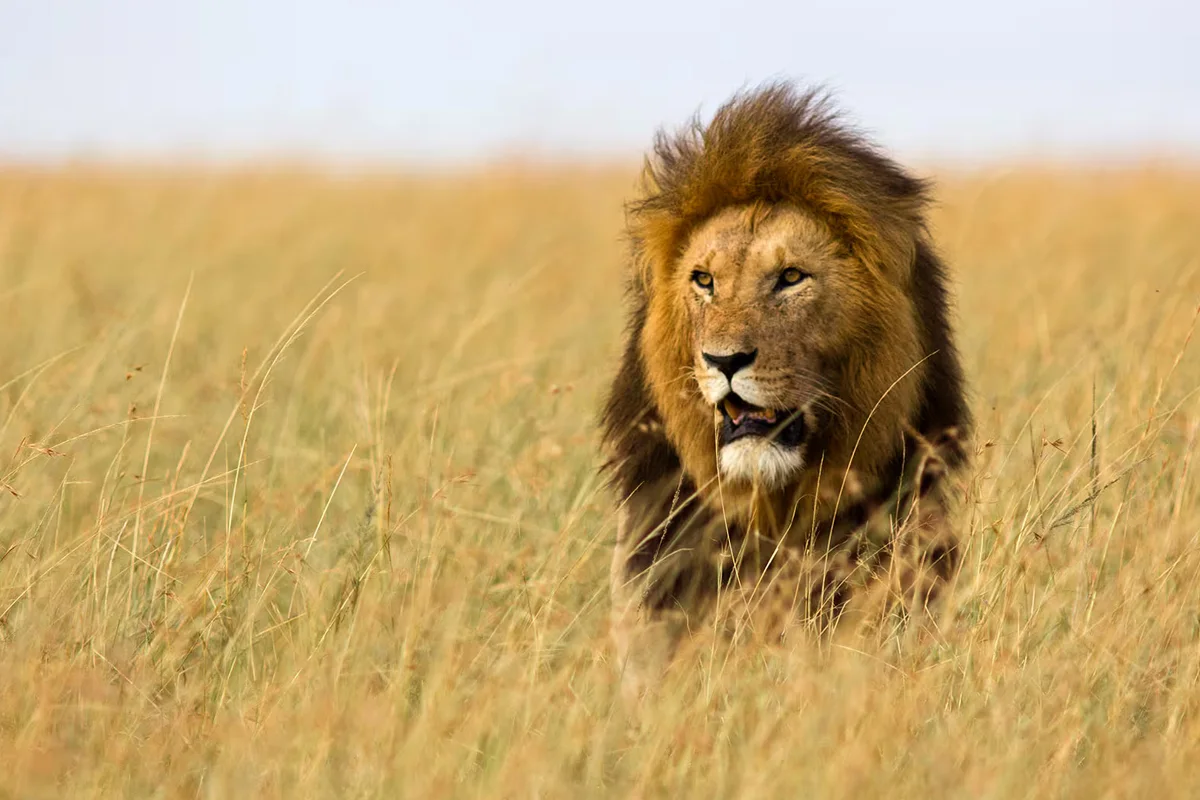
Welcome to the heart of the Serengeti, where the circle of life unfolds in all its glory. Among the countless creatures that call this vast savannah home, one species stands out as both majestic and formidable: the lion. Join us as we look at the role lions play in shaping the dynamics of this iconic African landscape.
Understanding the role of lions in the Serengeti ecosystem
How lions hunt
Imagine being in the Serengeti, where lions rule as kings of the land. Lions are big, powerful cats with sharp senses and impressive hunting skills. They’re the bosses of the Serengeti because they hunt and eat other animals to survive.
When lions hunt, they usually go after large plant-eating animals such as wildebeest, zebras and buffalo, which are their main source of food. But for lions, hunting isn’t just about getting something to eat; it’s a big team sport.
Picture this: a group of lions, called a pride, working together to catch their prey. They use teamwork and strategy to surround and chase their target, using their speed and strength to bring it down. It’s like a well-organised dance, with each lion playing a different role to make sure they get their meal.
So in the Serengeti, lions are the top hunters, using their skills and teamwork to keep themselves fed and hold on to their status as kings of the savannah.
Social structure of the pride

In the world of lions, family matters a lot. Lions live in groups called prides, made up of mothers, their cubs and a few males. This family set-up is very important for several reasons.
First, it helps look after the little ones. Mothers and other members of the pride work together to raise and protect the cubs. It’s like having a big babysitting team!
Second, living in a pride helps keep everyone safe. Lions have to watch out for other prides that might try to take over their territory, and a big family means they can stand up to intruders and protect their home.
Finally, the big, strong males are the pride’s protectors. They keep things calm and safe within the family and defend the pride’s territory, making sure no other lions take it over.
So in the world of lions, family is everything. Living in a pride helps them look after each other, stay safe and protect their home.
Territorial behaviour

Think of a lion’s territory as its own special kingdom. It’s vital for survival, because it’s where lions find everything they need to live: food, water and a safe place to rest.
Each pride has its own territory, which it protects. Lions mark their territory in different ways, such as leaving their scent around or roaring loudly to let other lions know it’s theirs.
Sometimes other lions try to take over a territory. When this happens, there can be big fights as the pride defends its home.
But territories also help keep things fair. They stop lions from fighting over the same resources and keep everything in balance. They also help keep the peace between different groups of lions, so they can live alongside each other without too much trouble.
So territories are extremely important for lions. They help them find what they need to survive and keep order in the lion world.
Scavenging
Lions are excellent hunters, but sometimes they also eat leftovers. When other animals or natural causes leave dead animals behind, lions may come along and have a meal. This is called scavenging.
Scavenging is a bonus for lions. It gives them extra food when hunting isn’t going well and prey is hard to catch, helping them stay full and healthy, especially in tough times.
But scavenging isn’t just about food for lions. It also helps the environment. When lions eat leftovers, they clean up the area and recycle nutrients, which means less waste lying around and healthier soil for plants to grow.
So scavenging is a back-up plan for lions. It gives them extra food when they need it and helps keep the environment clean and healthy.
Resting and bonding
Although lions are known as powerful hunters, they also like to relax and spend time with their families. Resting and bonding time is really important for them.
When lions take a break, they’re conserving energy. Just as we need to rest after a busy day, lions need to recharge their batteries too.
But resting isn’t just about sleeping. It’s also a time for lions to strengthen family bonds, which they do by grooming each other, playing together and calling to communicate.
All this time together helps lions feel closer and keeps the pride strong. It’s like a family film night or playing games together: it’s fun, and it helps them stay connected.
So although lions are tough hunters, they also know how to relax and have fun with their families. Resting and bonding time is just as important for them as it is for us!
In the Serengeti, lions are more than apex predators; they are guardians of an ancient ecosystem, shaping its dynamics in ways both subtle and profound. By understanding their role and behaviour, we gain a deeper appreciation of the delicate balance of life in this wilderness. So let us marvel at the majesty of the lion and the wonders of the Serengeti, intertwined in a timeless dance of survival and adaptation.
Set off on an unforgettable journey through Tanzania’s remarkable landscapes and wildlife havens. Explore the iconic Serengeti, where the magnificent wildlife migration unfolds before your eyes. Delight in the abundant biodiversity of the breathtaking Ngorongoro Crater. Don’t miss the thrilling hike up Kilimanjaro, Africa’s highest peak, for an experience like no other. Complete your adventure with a relaxing retreat to the serene beaches of Zanzibar. Join us for the ultimate Tanzania safari tour!
