

Tips · · 7 min read
How to Plan a Tanzania Safari from Start to Finish
A step-by-step guide to planning a Tanzania safari: choosing the right season, selecting parks, booking with an operator and packing the essential gear.
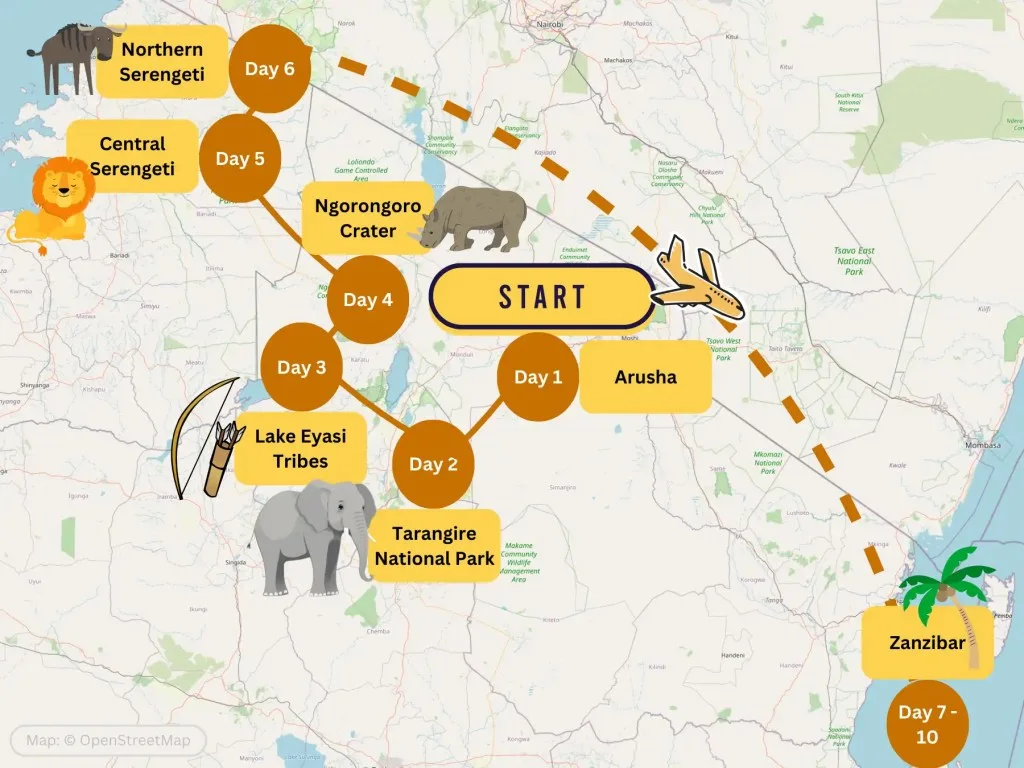
Planning a Tanzania safari is like orchestrating a symphony with the Serengeti as your stage. Did you know that Tanzania dedicates over 30% of its land to national parks and wildlife reserves? This makes it a prime destination for encountering Africa’s most iconic animals in their natural habitat.
The first step is deciding the best time to visit, depending on whether you want to witness the Great Migration or would rather go birdwatching. Next, research reputable safari operators that are committed to conservation. With careful planning, you can have a trip that is both adventurous and environmentally responsible.
- Choose the best time to visit, typically June to October for wildlife viewing.
- Select parks such as the Serengeti or Ngorongoro based on your interests and budget.
- Book through a reputable operator such as Rolux Safaris.
- Prepare essential gear, including clothing, a camera and binoculars.
- Check your travel documents and health precautions.
Planning your Tanzania safari: an overview
Planning a Tanzania safari starts with deciding when to go. The dry season, from late June to October, is ideal for wildlife viewing, and you can witness the Great Migration during these months for a unique experience. The wet season, from November to May, is perfect for birdwatching. Each season has its own attractions, so choose according to your interests.
Next, choose the safari parks you want to visit. Serengeti National Park is famous for the Great Migration. Ngorongoro Crater is another must-see, known for its high concentration of wildlife. The Selous Game Reserve offers a more remote safari experience. Consider adding Tarangire and Lake Manyara for varied landscapes and fewer crowds.
Booking your safari with Rolux Safaris ensures a tailored experience. With expert guides and well-planned itineraries, you can enjoy a stress-free adventure. There are packages to suit a range of budgets and preferences, and booking early secures the best accommodation. Rolux Safaris focuses on providing memorable and ethical experiences.
Make sure you pack the right gear for your safari. Essentials include lightweight clothing, a good camera and binoculars. Don’t forget sunscreen and insect repellent to stay comfortable, and a hat and sunglasses to protect you from the sun. Packing smartly enhances your overall experience.
Step 1: Choose the right time of year
When you visit Tanzania has a significant impact on your safari. The best time for wildlife viewing is the dry season, which runs from late June to October. Animals are easier to spot at this time because they gather around water sources. The Great Migration, with over a million wildebeest and zebras, typically peaks in these months. If seeing this natural spectacle is on your bucket list, plan accordingly.
Birdwatchers should consider visiting during the wet season, from November to May. During this period the landscapes are lush, and migratory birds from Europe and Asia flock to Tanzania. It is also a good time to see young animals, as many species give birth. The parks are less crowded, offering a more peaceful experience. Bear in mind that some areas may be harder to reach because of the rain.
Another factor to consider is the calving season, from January to March. During this time, around half a million wildebeest are born in the southern Serengeti. The season offers excellent opportunities for predator sightings, as big cats take advantage of the abundance of prey. If you are a keen photographer, the green landscapes make a stunning backdrop for your pictures.
Ultimately, your choice depends on what you want to see and do. Make use of resources such as Rolux Safaris’ expert guides to tailor your trip to your preferences. Whether you are interested in the Great Migration, birdwatching or capturing iconic wildlife moments, timing your visit well is crucial and ensures you get the most out of your adventure.
Step 2: Select the best safari parks to visit
Choosing the best safari parks in Tanzania is crucial for an enriching experience. Serengeti National Park stands out for its vast plains and large wildlife population. It is famous for the Great Migration, when millions of wildebeest and zebras move in search of fresh grazing, and it offers incredible game viewing all year round.
For a unique experience, consider visiting the Ngorongoro Conservation Area. It is home to the Ngorongoro Crater, a natural wonder formed by a collapsed volcano. The crater floor hosts a diverse range of animals, including the Big Five, and the scenic landscapes make it a photographer’s paradise. It is one of the best places to see endangered black rhinos.
If you prefer a quieter visit, head to the Selous Game Reserve. This lesser-known park offers less crowded safaris in a more remote setting. It is one of the largest faunal reserves in the world and offers a variety of activities, including walking safaris and boat safaris, which give a different perspective on the wildlife. The Rufiji River is a major feature of the reserve.
Lake Manyara National Park and Tarangire National Park are also worth considering. Lake Manyara is renowned for its tree-climbing lions and stunning flamingo populations, while Tarangire is famous for its large elephant herds and ancient baobab trees. Together, these parks offer a diverse range of ecosystems and wildlife experiences. Visiting several parks makes for a well-rounded and fulfilling safari adventure.
Step 3: Book your safari with Rolux Safaris
Booking your safari with Rolux Safaris ensures a seamless and enjoyable adventure in Tanzania. The team of experienced professionals takes care of every detail, leaving you free to focus on the excitement of the journey. Packages are tailored to different interests and budgets, whether you prefer luxurious lodges or budget-friendly campsites. Safety and satisfaction are the top priorities.
When booking, you will need to decide how long your safari should be. Typical safaris last from 3 to 10 days, depending on how many parks you want to visit. A shorter safari is perfect if you are pressed for time, while longer safaris let you explore more regions and immerse yourself more deeply in nature. Rolux Safaris can help you customise an itinerary that fits your schedule and preferences.
Think about what kind of tour you would like. Some people prefer private tours, which offer a more intimate and personalised experience. Others enjoy group tours, which can be more economical and a chance to meet fellow travellers. Family-friendly tours are also available, designed to engage children and teach them about wildlife. Choosing the right type of tour adds to your overall satisfaction.
Preparation is key, so make sure you tell Rolux Safaris about any specific needs or preferences, including dietary requirements, medical conditions and special occasions. Their attention to detail ensures these needs are met, and letting them know in advance makes for a hassle-free and enjoyable time in the wilderness. Personalised service makes a significant difference.
Finally, review the package inclusions and exclusions carefully. Typical inclusions are accommodation, meals, park fees and guided game drives. Exclusions may include international flights, visas and travel insurance. Checking this information prevents unexpected expenses, so always clarify any doubts beforehand for a smooth trip.
Essential gear and tips for a successful Tanzania safari
For a memorable Tanzania safari, packing the right gear is essential. Start with clothing suited to the climate. Light, breathable fabrics are ideal for hot days, while warmer layers are needed for cool mornings and evenings. Neutral colours such as khaki and green blend in with the environment and are less likely to attract wildlife. Comfortable shoes, a wide-brimmed hat and sunglasses are also vital.
The right accessories make for an enjoyable experience. A good camera with a zoom lens is essential for capturing unforgettable wildlife moments, and binoculars help you spot animals at a distance. Don’t forget a torch or head torch for night-time activities. A lightweight backpack is useful for carrying essentials on game drives, and a reusable water bottle helps you stay hydrated.
Health and safety should be priorities on your safari. Pack any medication you need and a basic first-aid kit. Insect repellent and sunscreen protect you from mosquito bites and sunburn. Anti-malarial medication is recommended for Tanzania. It is also wise to have travel insurance that covers medical emergencies. Being prepared lets you focus on enjoying your adventure.
- Light, breathable clothing
- Comfortable shoes
- Wide-brimmed hat and sunglasses
- Camera and zoom lens
- Binoculars
- Torch or head torch
- Reusable water bottle
Lastly, familiarise yourself with local customs and regulations to ensure a respectful visit. Learn a few phrases of Swahili to engage with local people. Always follow your guide’s instructions to stay safe and minimise your impact on the environment. Being considerate towards wildlife and local communities, and respecting Tanzania’s culture and nature, will enrich your safari adventure.
Key takeaways
- Visit Tanzania from June to October for the best wildlife viewing.
- Choose parks such as the Serengeti and Ngorongoro based on your interests.
- Book your safari with a trusted operator such as Rolux Safaris.
- Pack essential gear such as clothing, a camera and binoculars.
- Make sure your travel documents and health precautions are up to date.
