

Beach Holiday · · 7 min read
How to Experience Zanzibar’s Beach Paradise
A guide to making the most of Zanzibar’s beaches: where to stay and swim, water sports, local food and culture, hidden gems, festivals and practical tips.
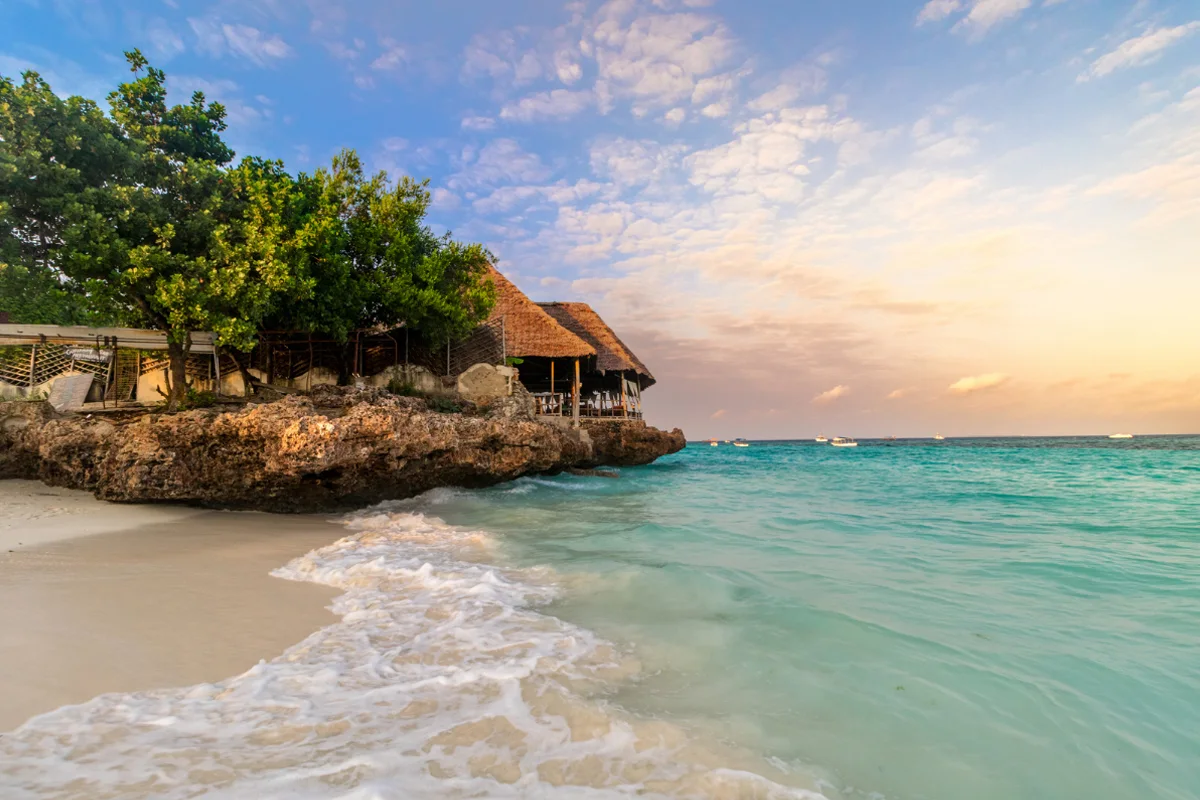
Zanzibar, an enchanting island off the coast of Tanzania, is renowned for its stunning beaches and crystal-clear waters. To truly experience Zanzibar’s beach paradise, you will want to embrace both its natural beauty and its vibrant local culture. Here is a comprehensive guide to help you make the most of your beach getaway.
Choosing the perfect beach
- Explore iconic beaches: Zanzibar is home to some of the world’s most beautiful beaches. For pristine white sand and turquoise water, visit Nungwi and Kendwa in the north. These beaches offer excellent swimming and lively nightlife. On the east coast, Paje and Jambiani offer a more tranquil setting, perfect for relaxing and for water sports.
- Consider accessibility: when choosing a beach, think about how close it is to your accommodation and the activities you are interested in. Some beaches are easier to reach than others, and choosing the right location can enhance your overall experience.
Enjoy water activities
- Snorkelling and diving: Zanzibar’s coral reefs are teeming with marine life. For an unforgettable snorkelling experience, head to Mnemba Atoll, where you can see colourful fish, sea turtles and even dolphins. Divers should explore the many dive sites around the island for a deeper look at the underwater world.
- Kitesurfing and windsurfing: the trade winds on Zanzibar’s east coast make it a prime location for kitesurfing and windsurfing. Whether you are a seasoned pro or a beginner, conditions are ideal for these exhilarating water sports.
- Dolphin watching: take a boat trip from Kizimkazi on the south coast to watch playful dolphins in their natural habitat. This unique experience is a highlight for many visitors and a chance to see these magnificent creatures up close.
Indulge in local cuisine
- Fresh seafood: Zanzibar’s coastal location means an abundance of fresh seafood. Try local delicacies such as grilled prawns, calamari and the famous Zanzibar mix, a blend of flavours and textures. Many beachside restaurants offer stunning ocean views to accompany your meal.
- Beachfront dining: dine right on the sand at beachside restaurants and cafés. Enjoy the sunset while savouring dishes made with local ingredients and traditional spices.
Discover local culture
- Visit Stone Town: a UNESCO World Heritage Site, Stone Town offers a glimpse into Zanzibar’s rich history and culture. Wander its narrow streets, explore historic buildings and visit the bustling markets. Don’t miss the chance to sample local snacks and pastries, such as the spicy Zanzibar pizza.
- Cultural tours: join a local tour to learn more about Zanzibar’s history, culture and traditions. Many tours offer insights into local skills such as spice farming and traditional weaving.
Relax and unwind
- Beachfront resorts: Zanzibar offers a range of accommodation, from luxury resorts to cosy boutique hotels. Opt for a beachfront resort to enjoy direct access to the sand and sea, along with world-class facilities and service.
- Spa treatments: treat yourself to a relaxing spa day with treatments that use local ingredients and traditional techniques. Many resorts have beachfront spas where you can unwind to the soothing sound of the waves.
Respect the environment
- Conservation efforts: take part in conservation activities and support eco-friendly businesses to help preserve Zanzibar’s natural beauty. Avoid disturbing wildlife and be mindful of your environmental impact during your stay.
- Local etiquette: respect local customs and traditions. Dress modestly away from the beach, and always ask permission before taking photos of people.
Explore Zanzibar’s hidden gems
- Off-the-beaten-track beaches: popular beaches such as Nungwi and Kendwa are fantastic, but Zanzibar also has secluded spots worth exploring. Beaches such as Matemwe and Pongwe offer a quieter experience with fewer crowds. These hidden gems provide a serene escape and beautiful, unspoilt scenery.
- Jozani Forest: take a break from the beach and visit Jozani Forest, Zanzibar’s only national park. Here you can walk through lush mangrove forests and encounter the endemic red colobus monkeys. The forest offers a peaceful contrast to the lively beach scene.
- Spice tours: Zanzibar is known as the “Spice Island” because of its long history of spice cultivation. Join a spice tour to visit local farms and see how spices such as cloves, cinnamon and nutmeg are grown. These tours give a fascinating insight into the island’s agricultural heritage and aromatic flavours.
Enjoy local festivals and events
- Zanzibar International Film Festival: if your visit coincides with this annual event, don’t miss the Zanzibar International Film Festival (ZIFF). Held in July, it showcases a variety of films, music and cultural performances from across Africa and beyond.
- Sauti za Busara: another cultural highlight is the Sauti za Busara music festival, held in Stone Town every February. It features performances by some of the best musicians from across Africa, with a lively atmosphere and a chance to experience local and international music.
Practical tips for a smooth beach holiday
- Currency and payments: the local currency in Zanzibar is the Tanzanian shilling (TZS), though US dollars are widely accepted. It is a good idea to carry some cash for small purchases and local markets. Credit and debit cards are commonly accepted in larger establishments.
- Health and safety: make sure you have travel insurance that covers health and accidents. It is wise to carry a basic medical kit with essentials such as antiseptic, painkillers and insect repellent. Stay hydrated, use sunscreen regularly and drink bottled water to avoid stomach problems.
- Communication: Swahili is the official language, but English is widely spoken in tourist areas. Learning a few basic Swahili phrases can enhance your interactions with local people and enrich your cultural experience.
Responsible tourism
- Support local businesses: spend your money at local businesses, such as family-run restaurants and boutique shops, rather than international chains. This supports the local economy and gives you a more authentic experience.
- Leave no trace: follow the principles of “Leave No Trace” by disposing of waste properly, not littering and minimising your environmental impact. Respect the natural environment and wildlife, and follow any guidelines from your tour guides or accommodation.
- Engage with the community: take the time to engage respectfully with local communities. Take part in community-led projects or tours that benefit local people, and always ask permission before photographing anyone.
Zanzibar is an unparalleled beach paradise that blends breathtaking natural beauty with rich cultural experiences. From pristine white sand and crystal-clear water to vibrant local culture and historic sites, the island offers a wide range of activities for every type of traveller. Whether you are looking for relaxation on secluded beaches, thrilling water sports or immersive cultural encounters, Zanzibar has something for you. By planning your trip carefully, engaging with the local community and respecting the environment, you can ensure a rewarding and memorable experience. Embrace the magic of Zanzibar and you will create lasting memories of this island paradise.
Frequently asked questions
1. What is the best time to visit Zanzibar? The best time to visit Zanzibar is during the dry seasons, from June to October and from December to February. During these months you can expect warm, sunny weather and minimal rainfall, ideal for beach activities and exploring the island.
2. Do I need a visa to visit Zanzibar? Yes, most visitors to Zanzibar need a visa. Visa policy varies by nationality, so check the specific requirements for your country before travelling. Many visitors can obtain a visa on arrival, but it is always best to confirm this in advance.
3. Is Zanzibar safe for tourists? Zanzibar is generally safe for tourists, with a low crime rate. However, it is essential to take standard precautions, such as avoiding isolated areas at night, keeping your belongings secure and being careful with food and water to avoid health problems.
4. What should I pack for a trip to Zanzibar? Pack light, breathable clothing suitable for hot and humid weather. Essentials include swimwear, sunscreen, a hat, sunglasses and comfortable shoes for exploring. Also consider packing a light rain jacket for unexpected showers and insect repellent to protect against mosquito bites.
5. Are there any health precautions I should take before travelling to Zanzibar? Before travelling to Zanzibar, it is recommended that you get vaccinated against hepatitis A and B and typhoid, and possibly take malaria prophylaxis, depending on your health and travel plans. Consult a travel health clinic or your doctor for personalised advice based on your health and itinerary.
For a memorable and luxurious Tanzanian experience, explore the following highlights on our site:
- Tanzania Honeymoon Safari
- Tanzania Luxury Holiday
- Tanzania Travel
- Safari Packing Gear List
- Safety Guidelines
- Serengeti Great Migration
- Tarangire National Park
- Terms and Conditions
- The Great Serengeti Migration
Visit our pages for detailed information and tips to plan your perfect Tanzanian adventure.
