

Tips · · 5 min read
Hidden Gems in Tanzania: Off-the-Beaten-Path Destinations
Discover Tanzania’s hidden gems: the chimpanzees of Mahale Mountains National Park, Kitulo Plateau’s wildflowers and the ancient Swahili ruins of Kilwa Kisiwani and Songo Mnara.
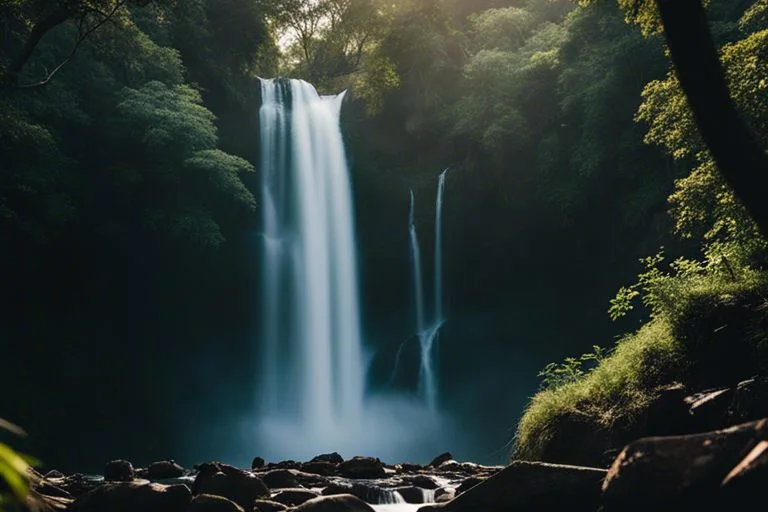
If you think you have seen everything Tanzania has to offer, think again. Beyond the well-trodden paths lies a treasure trove of untouched wonders. From secluded beaches to little-explored national parks, Tanzania has hidden gems waiting to be discovered.
One such place is Mahale Mountains National Park, known for its large chimpanzee population. With more than 1,000 chimpanzees, the park is a unique opportunity for primate enthusiasts. Another noteworthy destination is the Udzungwa Mountains, which boast the most significant biodiversity in East Africa.
Tanzania’s hidden gems include Mahale Mountains National Park, home to a significant chimpanzee population; Kitulo Plateau, known as the “Garden of God” for its botanical richness; and the ancient Swahili cities of Kilwa Kisiwani and Songo Mnara, which offer a glimpse into Tanzania’s rich history and culture.
Exploring Mahale Mountains National Park
Mahale Mountains National Park, on the shores of Lake Tanganyika, is a hidden paradise. Its dense forest is home to one of the largest chimpanzee populations in the world, and visitors often trek deep into the forest to watch these primates up close. The park’s remote location means fewer tourists and a more intimate experience. This untouched wilderness offers stunning views and a tranquil atmosphere.
The park is not only about chimpanzees. It is also rich in biodiversity, with many species of birds and plants, and birdwatchers will find plenty to admire in the lush canopy. Hiking trails lead through varied landscapes, from rugged mountains to scenic lakeshores. The natural beauty here is simply breathtaking.
Lake Tanganyika borders the park, offering opportunities for water-based activities. Kayaking and snorkelling in the clear waters reveal vibrant fish species. The lake is also known for its pristine beaches, where visitors can relax on the sand after a day of exploring. The sunsets over the lake are truly mesmerising.
Reaching the Mahale Mountains is an adventure in itself. Visitors usually fly into a nearby airstrip and take a boat to the park, a journey that adds to the sense of seclusion and excitement. The best time to visit is the dry season, when chimpanzee sightings are more common. Travellers are rewarded with unforgettable wildlife encounters and serene landscapes.
An untouched habitat and its chimpanzee communities
In Mahale Mountains National Park, the untouched natural habitat is a critical sanctuary for wildlife. The park holds more than 1,000 chimpanzees, making it a vital location for primate research. The chimpanzees here live in different groups, each with its own characteristics, and researchers devote their lives to studying these intelligent animals. Watching them in their natural environment is both fascinating and educational.
The park’s rich biodiversity extends beyond chimpanzees. Many bird species, including the African fish eagle, can be spotted here. The lush vegetation provides food and shelter for many animals, and visitors may also come across rare plants found only in this region. The ecosystem is delicate and beautiful.
Trekking through the forest gives you the chance to see these animals up close. Guided tours provide expert knowledge of chimpanzee behaviour and habits. It is breathtaking to watch the primates go about their day, eating, grooming and playing in full view. This immersive experience leaves a lasting impression.
The untouched habitat also supports conservation. Protecting these forests helps safeguard the chimpanzee population, and conservation programmes benefit from visitor contributions and awareness. Keeping the park in pristine condition is essential for future generations, and the park serves as a model for conserving wildlife and its habitats.
Unveiling the mysteries of Kitulo Plateau
Kitulo Plateau, also known as the “Garden of God”, is a unique destination in Tanzania. The area is famous for its rich botanical diversity, and the plateau comes alive with vibrant wildflowers, making it a haven for plant lovers. Each season the landscape transforms, showing off a different variety of blooms. It’s a sight that captures the imagination.
Beyond its botanical wonders, Kitulo is also a sanctuary for many bird species. The endangered blue swallow is one of the rare birds found here, and birdwatchers can enjoy spotting it and other rarities. Many migratory birds use the plateau as a stopover, and its diverse environment supports a wide range of wildlife.
Trekking is a popular activity on Kitulo Plateau. Well-marked trails lead visitors past scenic views and unique landscapes, and guided tours explain the area’s ecological significance. Hikers can enjoy the fresh air and peaceful surroundings. The experience is both invigorating and educational.
Conservation is crucial to maintaining Kitulo’s natural beauty. Protecting the area ensures the survival of its unique flora and fauna, and sustainable tourism helps preserve its delicate ecosystem. Awareness and visitor contributions support these initiatives, so Kitulo Plateau remains a treasure for future generations to enjoy.
Adventure in the lost Swahili cities of the southern coast
Tanzania’s southern coast hides a fascinating secret: the lost Swahili cities. These ancient cities, such as Kilwa Kisiwani and Songo Mnara, are steeped in history. Once thriving trade centres, they played a crucial role in the region’s development. Exploring the ruins offers a glimpse into the past, and the intricate architecture and relics tell of a rich cultural heritage.
Visitors can wander through the old stone buildings and imagine life centuries ago. The mosques, palaces and houses reflect Swahili culture and Islamic influence, while detailed inscriptions and artefacts add depth to the visit. These cities were once bustling hubs of commerce, connecting Africa with the Middle East and Asia. The ruins now stand as silent witnesses to a bygone era.
Tours often include boat rides to reach these remote sites. The journey itself is part of the adventure, with spectacular coastal views. Guided tours provide historical context and fascinating anecdotes, as experts explain the significance of different structures and artefacts. This makes the experience educational as well as thrilling.
The area around the cities is just as captivating. Pristine beaches and crystal-clear waters make it a great place to relax, and nearby coral reefs offer excellent snorkelling and diving. The vibrant marine life adds to the region’s appeal. Combining history with natural beauty, this destination is perfect for adventurous travellers.
Preservation is essential to protect these invaluable ruins. Organisations and local communities work together to conserve the sites, and responsible tourism plays a significant part. Visitors are encouraged to respect the environment and cultural heritage, so the wonders of the Swahili cities can be appreciated for generations to come.
Key takeaways
- Mahale Mountains National Park has a large chimpanzee population.
- Kitulo Plateau is known as the “Garden of God”.
- The ancient Swahili cities offer rich historical insights.
- Tanzania’s hidden gems are often off the beaten path.
- These places combine natural beauty with cultural heritage.
