

Tanzania Safari · · 4 min read
Cultural Encounters: Visiting the Chagga Villages Near Kilimanjaro
Experience authentic Chagga culture on a village tour near Mount Kilimanjaro, with insights into local traditions, coffee farming, food and daily life.
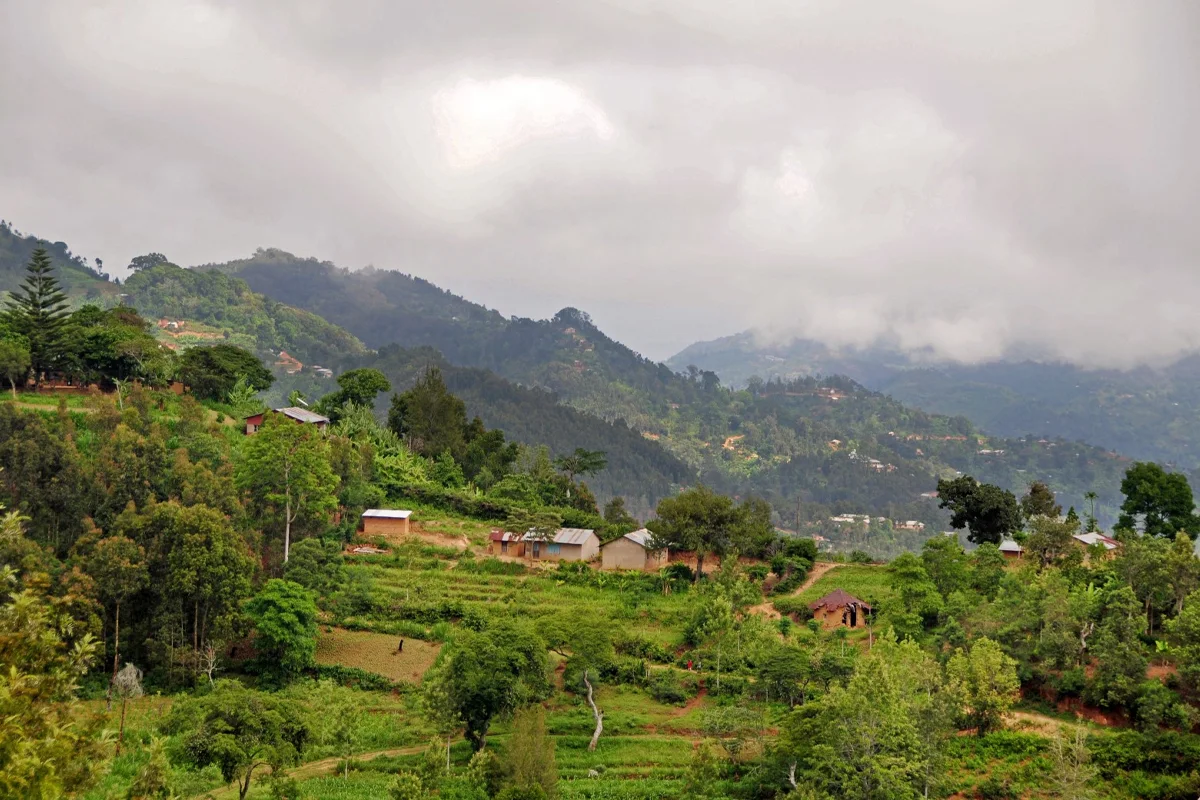
Chagga village tours and cultural experiences on Kilimanjaro
Mount Kilimanjaro is not just Africa’s tallest peak – it is also home to the Chagga people, one of Tanzania’s most culturally rich ethnic groups. Set on the slopes of Kilimanjaro, the Chagga villages offer a unique opportunity to explore traditional African life, from coffee farming to ancient myths passed down through the generations.
If you want to go beyond the usual Kilimanjaro trekking experience, a visit to the Chagga villages offers an unforgettable cultural encounter.
The history and traditions of the Chagga people
- Origins and settlement around Mount Kilimanjaro:
The Chagga have lived around Mount Kilimanjaro for centuries, building their villages in the fertile volcanic highlands. Thanks to the rich soil and plentiful rainfall, they became skilled farmers, growing bananas, coffee, yams and maize.
- The influence of agriculture and trade:
Agriculture has always been the backbone of Chagga society, with coffee as their main cash crop. They were also early traders, exchanging food and livestock with neighbouring tribes.
- The role of family and clan systems:
The Chagga are traditionally organised into clans, each led by an elder. Family and respect for ancestors play a vital role in their social structure, and you will often find several generations living together in one household.
Where to visit Chagga villages near Kilimanjaro
- Marangu, the gateway to Kilimanjaro: Marangu is a well-known village near the Marangu Route, the most popular trail for climbing Kilimanjaro. Visitors can explore traditional Chagga homes, underground tunnels and local markets.
- Mamba Village, rich in history and tradition: Mamba Village is known for its cultural performances, local museums and ancient Chagga caves. The caves were used as hideouts during tribal conflicts centuries ago.
- Machame, famous for coffee and banana plantations: Machame is an excellent place to visit a coffee farm and learn about traditional coffee processing. The area is also known for its lush banana plantations, a staple of Chagga cuisine.
- Materuni, home to stunning waterfalls and cultural tours: Materuni is a must-visit for its breathtaking waterfalls, which offer a perfect combination of nature and cultural immersion.
Experiencing Chagga culture first-hand
- Traditional Chagga houses and underground caves: The Chagga once lived in round, thatched-roof houses and used underground caves for protection during tribal wars. Some of these traditional homes and caves are now open to visitors.
- Learning about Chagga farming techniques: Visitors can tour farms and learn how the Chagga grow bananas, coffee and maize using sustainable techniques handed down over generations.
- Taking part in daily village life: You can join locals in harvesting coffee, preparing traditional meals or learning Chagga weaving techniques.
The Chagga and coffee farming
- The importance of coffee to the Chagga economy: Coffee farming is a key source of income for the Chagga. The region’s high-altitude climate produces some of Tanzania’s best Arabica coffee.
- Visiting a Chagga coffee plantation: A guided tour of a Chagga coffee farm gives you hands-on experience of picking, roasting and brewing coffee the traditional way.
- The traditional coffee-making process: Watch Chagga farmers roast coffee beans over an open fire, grind them with stones and brew fresh coffee in a clay pot – a process that has remained unchanged for generations.
Chagga cuisine: a taste of local delicacies
Popular dishes: mshikaki, ndizi nyama and ugali
- Mshikaki: grilled meat skewers, often served at local gatherings.
- Ndizi nyama: a dish of bananas and beef, and a Chagga speciality.
- Ugali: a maize-based staple served with stews.
The role of banana beer in social gatherings: Locals brew a traditional banana beer called “mbege”, which is enjoyed at festivals, weddings and social gatherings.
Chagga myths, folktales and spiritual beliefs
- Stories of Kilimanjaro and its guardian spirits: The Chagga believe that Mount Kilimanjaro is home to spirits, and their folktales often tell of powerful ancestral spirits protecting the land.
- The role of ancestors and traditional healers: Many Chagga still consult traditional healers for guidance and for medicines made from local herbs.
The best time to visit the Chagga villages
Dry season or rainy season?
- Dry season (June to October): best for exploring the villages and hiking.
- Rainy season (March to May): lush landscapes but muddy trails.
How to plan your visit
Guided tours or independent travel: A local guide adds a great deal to the experience, helping with language barriers and offering cultural insights.
Responsible tourism and cultural respect
- Dress modestly, as Chagga villages are conservative.
- Ask permission before photographing people.
Visiting the Chagga villages near Kilimanjaro is a journey into one of Tanzania’s most vibrant cultures. Whether you are learning about coffee farming, exploring underground caves or tasting Chagga cuisine, this experience offers a deep connection with local life.
If you are climbing Kilimanjaro or simply exploring northern Tanzania, do not miss the chance to immerse yourself in Chagga traditions and enjoy the warm hospitality of this remarkable community.
Frequently asked questions about Chagga village visits
1. Do I need a guide to visit the Chagga villages? A guide is recommended for a deeper cultural understanding, although independent travel is possible.
2. What should I wear when visiting a Chagga village? Wear modest clothing out of respect for local customs.
3. Is it possible to stay overnight in a Chagga village? Yes. Some villages offer homestays and eco-lodges for an immersive experience.
4. Can I buy locally made Chagga crafts or coffee? Yes, many villages sell handmade crafts and fresh coffee beans.
5. Are the Chagga people welcoming to visitors? Absolutely. The Chagga are known for their warm hospitality.
Discover the best of Tanzania
Plan your dream safari today!
