

Tanzania Safari · · 4 min read
Why Tanzania Is the Perfect Destination for Sustainable Travel in 2024
Find out how Tanzania is leading the way in sustainable travel, from community-run lodges and eco-friendly safaris to cultural tours and conservation projects.
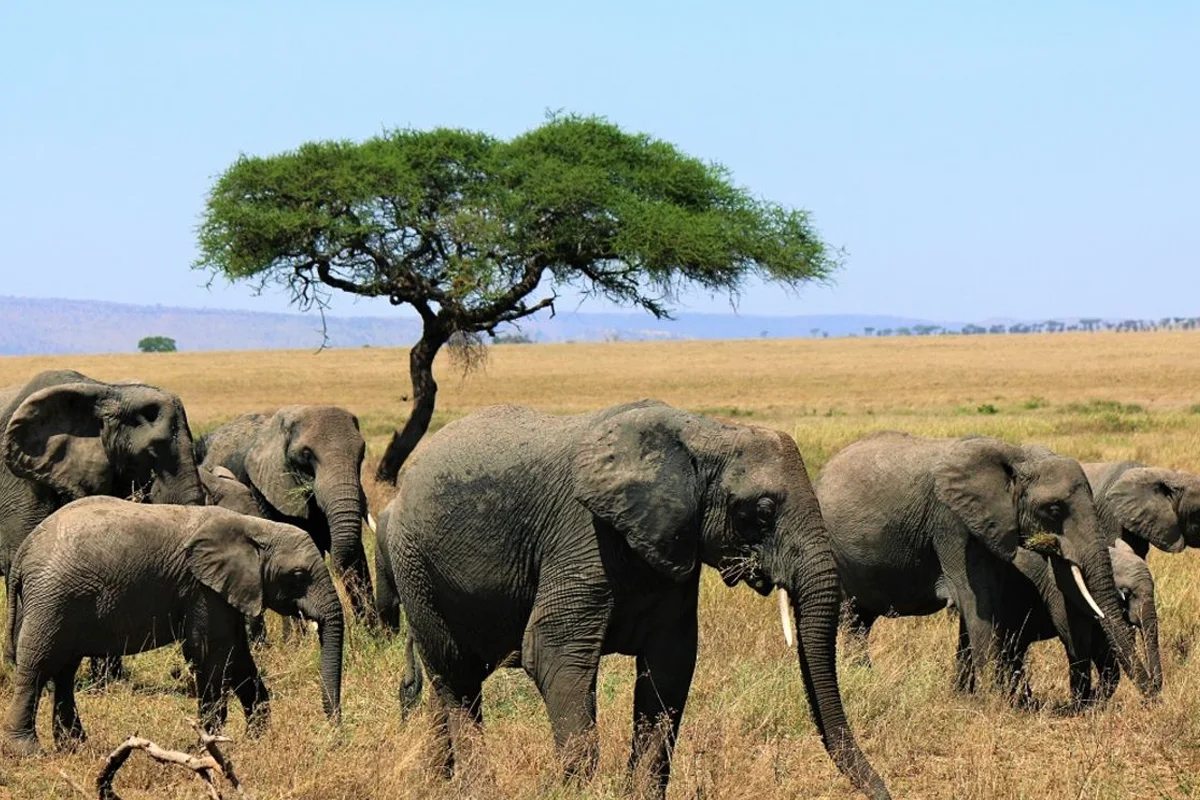
Tanzania as a sustainable travel destination in 2024
Tanzania, a land of awe-inspiring landscapes and unparalleled wildlife, is increasingly becoming a beacon for sustainable travel. From community-driven tourism initiatives to its commitment to conserving biodiversity, this East African nation gives travellers the chance to explore responsibly while supporting local communities. Here is why Tanzania should top your list for sustainable travel in 2024.
What makes Tanzania a sustainable travel haven?
- Rich biodiversity: Home to the Serengeti, Ngorongoro Crater and Mount Kilimanjaro, Tanzania has a diverse range of ecosystems. Conservation efforts help keep these habitats unspoilt for future generations.
- Community-centred tourism: Tanzania's travel sector actively involves local communities, giving them opportunities to earn an income while preserving their cultural heritage.
- Focus on low-impact tourism: With strict visitor caps in national parks and eco-friendly lodges, Tanzania is dedicated to minimising tourism's ecological footprint.
Tanzania's sustainable travel highlights
- Serengeti National Park's eco-initiatives: The Serengeti, famous for the Great Wildebeest Migration, has measures in place to combat poaching and over-tourism. Eco-lodges here use solar power and sustainable materials that blend in with the environment.
- Ngorongoro Conservation Area's unique model: Ngorongoro is a UNESCO World Heritage Site where wildlife coexists with indigenous Maasai communities. Visitors contribute to conservation funds that directly benefit both wildlife and people.
- Zanzibar's green tourism efforts: The idyllic island of Zanzibar is embracing eco-tourism, with resorts adopting renewable energy and waste management systems. Protecting coral reefs is also a major focus.
- Kilimanjaro's new trekking policies: In 2024, Mount Kilimanjaro introduced stricter regulations to preserve its fragile ecosystem, including waste management protocols and mandatory eco-certification for trekking operators.
How Tanzania promotes responsible tourism
- Community-run lodges and camps: Eco-lodges such as Maasai Wanderings and Olpopongi Maasai Village Camp make sure revenue goes directly to local communities, helping to fund education and healthcare.
- Conservation-focused safaris: Tour operators such as Rolux Safaris prioritise low-impact game drives, favouring smaller groups and longer stays to reduce carbon emissions.
- Wildlife corridors and anti-poaching measures: Tanzania invests in wildlife corridors connecting its national parks, so species can migrate freely. Anti-poaching units, supported by tourism revenue, protect endangered species such as the black rhino.
Sustainable cultural tourism in Tanzania
- Experiencing Maasai culture: Visiting Maasai villages offers an insight into one of Africa's oldest cultures. These tours are led by Maasai people, ensuring authenticity and direct economic benefits for the community.
- Coffee and spice tours: From the aromatic spice farms of Zanzibar to the coffee plantations around Mount Meru, these tours highlight organic farming and fair-trade practices.
- Handicraft workshops: Support local artisans by joining workshops to make beaded jewellery or learn traditional weaving techniques.
Eco-friendly accommodation options
- Green safari lodges: Lodges such as Asilia Africa and Serengeti Pioneer Camp follow eco-friendly practices, such as using biodegradable toiletries and sourcing local ingredients for meals.
- Zanzibar's eco-resorts: The island's eco-resorts, such as Fumba Beach Lodge, focus on sustainable architecture and marine conservation projects.
- Tented camps in remote areas: Stay in semi-permanent tented camps that leave no trace, keeping environmental impact to a minimum while immersing you in nature.
Best practice for sustainable travellers in Tanzania
- Choose ethical tour operators: Look for companies that follow sustainability principles, such as employing local guides and supporting conservation programmes.
- Pack light and choose eco-friendly gear: Use biodegradable products, reusable water bottles and solar chargers to reduce waste.
- Respect local cultures and wildlife: Avoid activities that exploit animals or commodify indigenous cultures. Always follow park rules and keep a respectful distance from wildlife.
When to visit Tanzania for sustainable travel
- Green season travel: Consider travelling in the off-peak green season (March to May), when fewer visitors reduce the pressure on parks and accommodation.
- Supporting local festivals: Plan your trip around cultural events such as the Mwaka Kogwa festival in Zanzibar or the Ngorongoro Maasai Marathon to support community-led initiatives.
Combining adventure with conservation
- Volunteer opportunities: Join conservation projects such as turtle monitoring in Zanzibar or anti-poaching initiatives in Selous Game Reserve.
- Educational safaris: Take part in guided safaris led by conservationists who teach visitors about sustainable practices and wildlife behaviour.
- Eco-trekking adventures: Explore lesser-known trekking areas, such as the Usambara Mountains, which promote community-based tourism.
Tanzania's commitment to a greener future
- Investment in renewable energy: Many lodges and camps run on solar power, reducing reliance on fossil fuels.
- Marine conservation projects: Coral reef restoration and marine protected areas around Zanzibar show Tanzania's commitment to safeguarding its underwater ecosystems.
- Wildlife relocation programmes: Efforts to reintroduce species such as the rhino and the African wild dog highlight Tanzania's dedication to biodiversity.
Tanzania is leading the way in sustainable travel, offering experiences that have a positive impact on its environment and communities. Whether you are trekking Kilimanjaro, diving in Zanzibar or exploring the Serengeti, you can be part of Tanzania's efforts to promote responsible tourism. Plan your 2024 adventure and make a difference while discovering the magic of this East African gem.
FAQs
- What is sustainable travel? Sustainable travel means minimising your environmental impact, supporting local communities and preserving cultural heritage while exploring a destination.
- How can I travel sustainably in Tanzania? Choose eco-friendly accommodation, support community-led initiatives and follow park rules to reduce your footprint.
- Are safaris in Tanzania eco-friendly? Many operators in Tanzania prioritise sustainable practices, such as using hybrid vehicles and contributing to conservation projects.
- What is the best time to visit Tanzania for sustainable travel? The green season from March to May is ideal for sustainable travel, thanks to lower visitor numbers and reduced environmental impact.
- How does Tanzania support conservation through tourism? Tourism revenue funds anti-poaching efforts, wildlife relocation programmes and community-based conservation initiatives.
Set off on an unforgettable Tanzanian adventure
Visit our pages for detailed information on:
- Lake Manyara National Park
- Ngorongoro Crater
- Serengeti National Park
- Tanzania honeymoon safari
- Tanzania luxury holiday
- Tanzania travel
- Safari packing gear list
Start planning your dream safari today by exploring our website!
