

Tanzania Culture · · 3 min read
How Tanzania’s Culture Is Shining in the 2025 Pan-African Revival
Tanzania’s contribution to the 2025 Pan-African cultural revival, celebrating African unity through Swahili, music, art, film, heritage and cultural tourism.
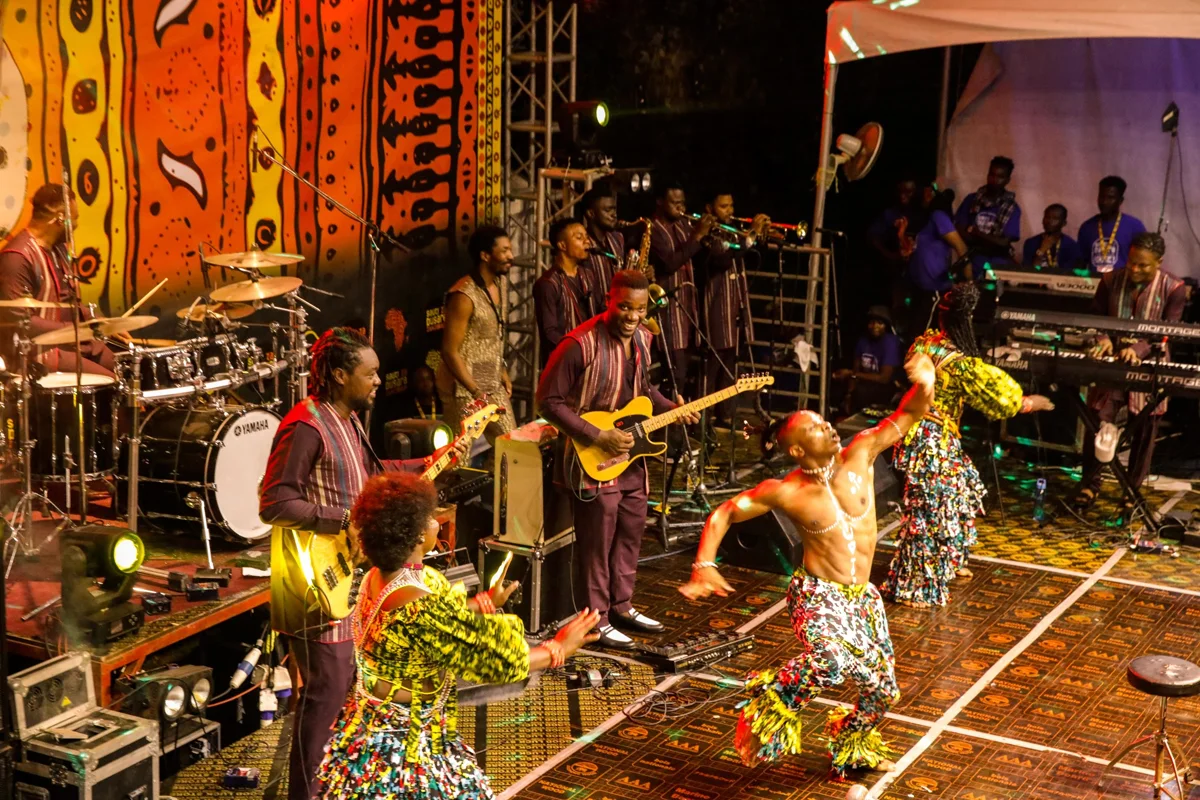
Tanzania’s role in the 2025 Pan-African cultural revival
In 2025, Tanzania stands at the heart of the Pan-African cultural revival, showcasing its rich traditions, diverse heritage and artistic excellence. As African nations embrace a renewed sense of identity and pride, Tanzania’s unique blend of history, art, music and tradition takes centre stage. From the Swahili Coast to the Maasai plains, here is how Tanzania is leading the cultural movement and inspiring the continent.
1. Swahili: the language uniting Africa
Swahili has long been a unifying force in East Africa, and in 2025 its influence continues to spread across the continent. As more African nations adopt Swahili as a regional or national language, Tanzania, the birthplace of standard Swahili, plays a vital role in promoting linguistic unity.
Key highlights
- The expansion of Swahili language programmes in African schools and universities.
- Increased global recognition, with Swahili featured at major international events.
- Tanzanian poets, musicians and scholars leading efforts to preserve and modernise Swahili literature.
2. Traditional music and dance on the global stage
Tanzania’s vibrant music and dance scene is gaining international recognition, with genres such as Taarab, Bongo Flava and traditional ngoma rhythms captivating audiences worldwide.
- Taarab revival: this fusion of Arabic, Indian and African sounds from Zanzibar is attracting new audiences.
- Bongo Flava’s global reach: Tanzanian hip-hop and Afrobeat artists are collaborating with international stars, taking Swahili rap to new heights.
- Cultural dance festivals: events such as the Bagamoyo Festival of Arts and Culture and the Zanzibar International Film Festival (ZIFF) highlight Tanzania’s artistic excellence.
3. The renaissance of Tanzanian art and handicrafts
Tanzania’s artists are gaining recognition for their Tinga Tinga paintings, Makonde wood carvings and Maasai beadwork, which are being shown in international galleries and exhibitions.
What’s new in 2025?
- Eco-friendly art initiatives using sustainable materials.
- Digital platforms helping Tanzanian artists sell their work globally.
- Government support for cultural preservation and artisan training programmes.
4. Film and literature: telling Tanzania’s stories
With the rise of African cinema and storytelling, Tanzania’s filmmakers and authors are capturing the country’s rich history and modern struggles.
Tanzania’s impact in 2025
- The growth of Swahili-language films and their recognition at international film festivals.
- Tanzanian authors gaining prominence with novels that explore African heritage, colonial history and modern identity.
- More documentaries showcasing Tanzania’s wildlife, peoples and cultural traditions.
5. Indigenous heritage and cultural tourism
Tanzania’s diverse ethnic groups, from the Maasai and Hadzabe to the Chaga and Sukuma, play a crucial role in preserving traditional knowledge and customs.
Cultural tourism initiatives
- Authentic Maasai village experiences, where visitors can learn about traditional warrior life.
- Hadzabe and Datoga cultural tours at Lake Eyasi, offering insights into Africa’s last hunter-gatherer communities.
- Traditional cooking classes showcasing Tanzanian cuisine, from ugali and nyama choma to Zanzibar’s spice-infused dishes.
6. Pan-African collaboration and Tanzania’s role
Tanzania’s historical role in Pan-Africanism, from supporting liberation movements to hosting major cultural conferences, continues in 2025.
Key Pan-African events in Tanzania
- The East African Arts & Culture Summit, bringing together artists, musicians and intellectuals from across Africa.
- The Swahili Cultural Festival, celebrating the language, music and heritage of the Swahili Coast.
- International tourism and trade fairs promoting Tanzanian culture, crafts and sustainable practices.
7. Sustainable cultural development and community empowerment
Tanzania’s government and private organisations are investing in cultural industries to empower local communities and preserve traditions.
Sustainability in cultural tourism
- Eco-lodges and cultural homestays offering ethical tourism experiences.
- Artisan cooperatives helping local craftspeople sell their work globally.
- Conservation initiatives protecting heritage sites such as Stone Town and Kilwa Kisiwani.
As the Pan-African cultural revival gains momentum in 2025, Tanzania is leading the way with its rich traditions, artistic innovation and deep historical connections. Whether through music, language, art or tourism, Tanzania continues to shine as a cultural powerhouse in Africa. For travellers and culture lovers, 2025 is the perfect time to experience the heart of Tanzania’s heritage and be part of Africa’s exciting new era.
Discover the wonders of Tanzania
Explore our curated experiences and breathtaking destinations:
- Cultural Tours – connect with Tanzania’s rich heritage and traditions.
- Day Trips & Tours – short getaways packed with adventure.
- Lake Manyara National Park – famous for tree-climbing lions and flamingos.
- Ngorongoro Crater – a wildlife paradise inside an ancient volcanic caldera.
- Serengeti National Park – home to the Great Wildebeest Migration.
