

Blog · · 4 min read
How Tanzania’s Cultural Heritage Is Celebrated During Africa Culture Week 2024
How Tanzania showcases its music, dance, cuisine, art, fashion, storytelling and more than 120 ethnic groups during Africa Culture Week 2024.
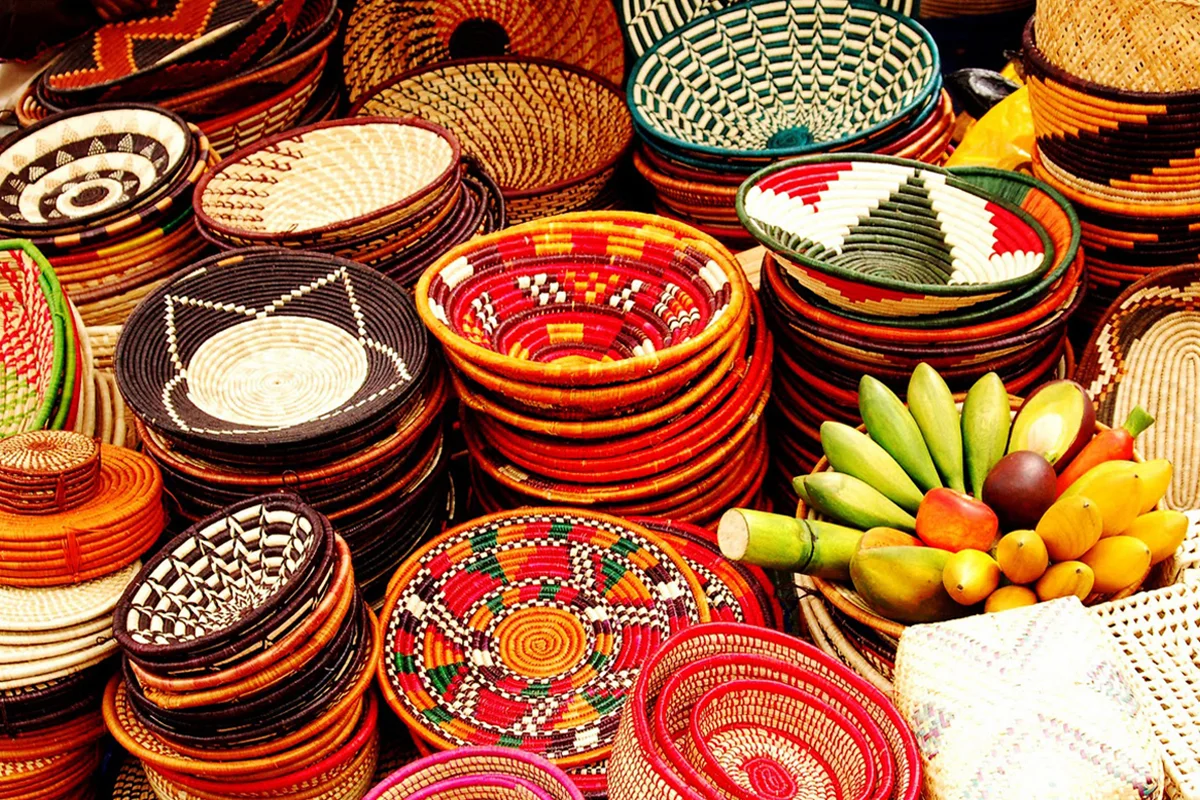
Africa Culture Week 2024 promises to be an unforgettable celebration of the continent’s rich and diverse heritage. At the heart of the festivities is Tanzania, a country renowned for its vibrant traditions, artistry and community spirit. This article looks at how Tanzania’s cultural legacy is showcased during this major event, fostering unity, education and pride across the continent.
The significance of Africa Culture Week
- A celebration of diversity: Africa Culture Week is a melting pot of traditions, languages and art forms that highlights the beauty of the continent’s diversity. It is more than an event: it is a movement to preserve and celebrate Africa’s unique identity.
- Uniting Africa through culture and art: The week-long celebration brings together artists, performers and cultural ambassadors from across Africa. Showcasing shared values and traditions strengthens the bonds between nations and celebrates a collective African identity.
Tanzania’s unique contribution
- Rich cultural traditions and heritage: Tanzania stands out for its diversity, with more than 120 ethnic groups, each contributing its own practices, languages and artistic expression. From the Swahili culture of the coast to the traditions of the Maasai, Tanzania’s cultural spectrum is vast and awe-inspiring.
- Key themes for 2024: This year’s theme, “Heritage and Harmony”, emphasises the importance of preserving traditional knowledge while embracing modernity. Tanzania’s contribution fits this theme perfectly, offering a harmonious blend of the old and the new.
Traditional music and dance performances
- The rhythm of Tanzania’s drums: Music and dance form the backbone of Tanzania’s cultural heritage. Performances feature traditional instruments such as ngoma drums, which resonate with stories of community and resilience.
- Popular dances showcased at the event: Visitors are captivated by the graceful movements of Makonde dances and the high-energy ngoma performances. Each dance tells a story, whether of celebration, love or historic events.
Showcases of Tanzanian cuisine
- Iconic dishes: No cultural celebration is complete without food. Tanzanian staples such as ugali and nyama choma are served alongside spicy Zanzibar delicacies, delighting the taste buds of those attending.
- Culinary workshops and tastings: Workshops teach visitors traditional cooking methods, offering a hands-on way to experience Tanzania’s culinary traditions.
Art and craft exhibitions
- The spotlight on Tanzanian artists: Art lovers admire the intricate Makonde carvings and vibrant Tingatinga paintings, both iconic forms of Tanzanian artistry.
- Makonde carvings and Tingatinga art: Makonde carvings, crafted from ebony, depict mythical creatures and everyday life, while Tingatinga paintings bring bursts of colour, portraying wildlife and cultural tales.
- How these crafts tell Tanzanian stories: Every piece of art tells a story, preserving Tanzania’s history and values through creative expression.
Fashion parades featuring Tanzanian designs
- Traditional attire on display: Models take to the runway in brightly coloured khanga and kitenge fabrics, symbols of Tanzanian identity and pride.
- The fusion of modern and traditional styles: Designers incorporate traditional patterns into contemporary fashion, showing how adaptable Tanzanian heritage is.
Storytelling and oral traditions
- The art of oral history in Tanzania: Storytelling sessions celebrate Tanzania’s oral traditions, which have passed down wisdom and entertainment through the generations.
- Celebrating Swahili folk tales and legends: Tales of heroic deeds, cunning animals and mystical lands captivate audiences, offering a window into Tanzania’s folklore.
Community workshops and participation
- Engaging young people through cultural education: Workshops for younger generations teach traditional crafts, dances and languages, helping Tanzania’s heritage to thrive.
- Promoting intercultural dialogue: Interactive sessions encourage visitors to share their own cultural practices, fostering mutual understanding and respect.
Film and theatre showcases
- Tanzanian cinema on the global stage: Films highlighting Tanzania’s landscapes and cultural narratives receive international acclaim, introducing the country’s beauty to the world.
- The role of theatre in preserving traditions: Theatrical performances bring historical events and traditions to life, offering an immersive cultural experience.
Representation of Tanzania’s ethnic groups
- Highlighting Maasai culture: The Maasai are a cultural icon, and their distinctive attire and customs draw attention at Africa Culture Week.
- Representation of more than 120 ethnic groups: From the Sukuma to the Chagga, Tanzania’s ethnic diversity is celebrated, with each group proudly sharing its unique identity.
Environmental themes in cultural celebrations
- Where culture and conservation meet: Tanzania’s celebration highlights the connection between culture and nature, promoting sustainable practices rooted in traditional knowledge.
- Tanzania’s efforts in sustainable tourism: By showcasing eco-friendly tourism, Tanzania encourages visitors to respect its natural and cultural heritage.
The economic impact of Africa Culture Week
- Boosting local businesses: Local artisans, chefs and performers benefit greatly from the influx of visitors, boosting Tanzania’s economy.
- Promoting Tanzania as a cultural tourism hub: The event positions Tanzania as a top destination for cultural tourism, drawing global attention to its heritage.
Tanzania’s vibrant cultural heritage takes centre stage during Africa Culture Week 2024, inspiring pride, unity and admiration. The event not only celebrates the past but also helps ensure that Tanzania’s traditions endure for future generations.
Frequently asked questions
- What is Africa Culture Week? Africa Culture Week is an annual celebration of African heritage, art and traditions, fostering unity and education across the continent.
- How does Tanzania contribute to Africa Culture Week? Tanzania showcases its music, dance, cuisine, art and traditions, representing its diverse cultural identity.
- What makes Tanzania’s cultural heritage unique? Its rich tapestry of more than 120 ethnic groups and its blend of ancient and modern practices make Tanzania’s culture exceptional.
- Which Tanzanian communities are represented at the event? Groups such as the Maasai, Chagga and Sukuma, among others, present their unique customs and traditions during the celebration.
- How does the event affect tourism in Tanzania? Africa Culture Week boosts tourism by positioning Tanzania as a leading cultural destination, attracting visitors from around the world.
Embark on the journey of a lifetime
Explore our pages to discover:
- Tanzania Honeymoon Safari
- Tanzania Luxury Holiday
- Tanzania Travel Experiences
- Safari Packing Gear List
- Safety Guidelines
- Serengeti Great Migration
- Tarangire National Park
- Terms and Conditions
Start creating your dream adventure today on our website!
