

Tanzania Safari · · 3 min read
Eco-Friendly Safaris: Tanzania’s Commitment to Sustainable Tourism in 2025
How Tanzania is promoting eco-friendly safaris in 2025: conservation policies, eco-certified lodges, low-impact transport, community tourism and the best sustainable destinations.
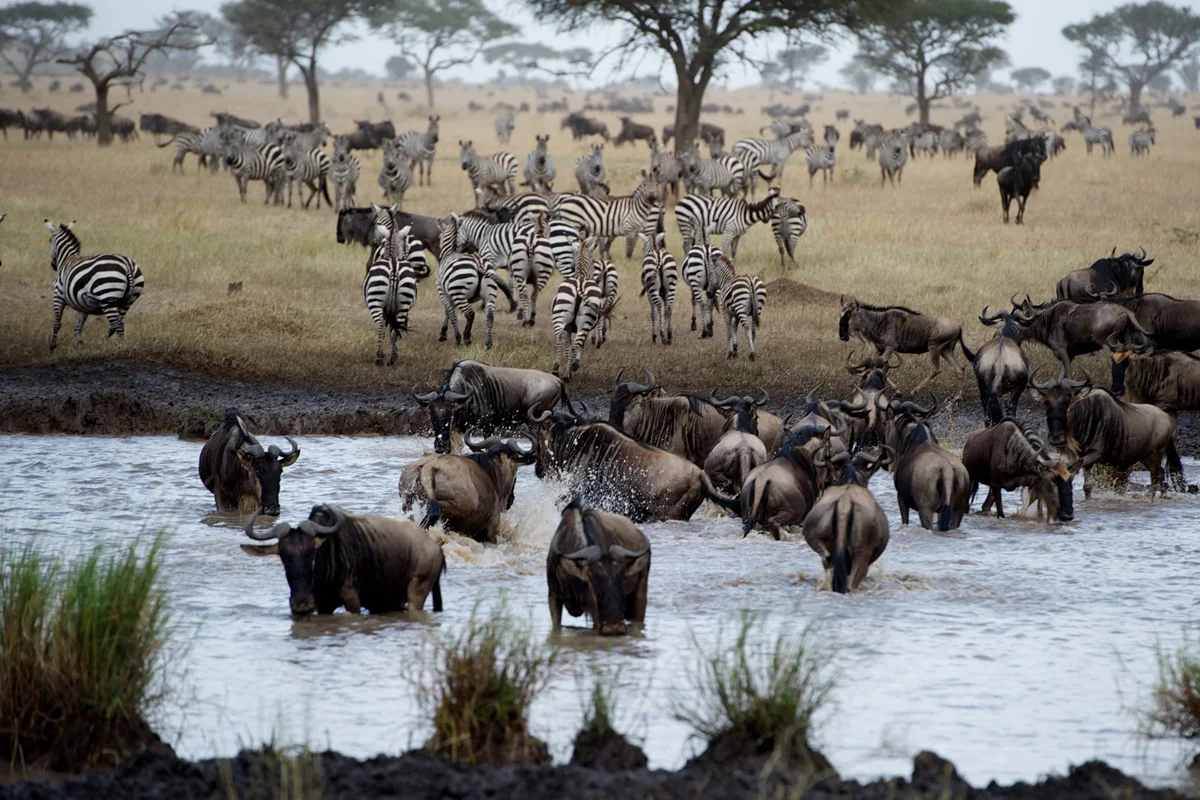
Sustainable, eco-friendly safaris in Tanzania in 2025
Tanzania is world-renowned for its incredible wildlife, breathtaking landscapes and rich cultural heritage. As tourism continues to grow, the country is placing a strong focus on sustainable, eco-friendly safaris to protect its natural treasures. In 2025, Tanzania’s commitment to conservation and responsible tourism aims to ensure that safaris have a positive impact on both the environment and local communities.
What is an eco-friendly safari?
An eco-friendly safari minimises negative environmental and social impacts while promoting conservation and bringing economic benefits to local people.
Key principles of eco-tourism
- Sustainable lodging – using renewable energy, minimising waste and conserving water.
- Low-impact transport – electric safari vehicles, walking safaris and carbon offset programmes.
- Responsible wildlife viewing – keeping a safe distance and never interfering with animal behaviour.
- Community involvement – supporting local guides, businesses and cultural tourism initiatives.
Unlike traditional safaris, which can have a larger environmental footprint, eco-friendly safaris ensure that tourism contributes to wildlife conservation and sustainable development.
Tanzania’s commitment to sustainable tourism
Government policies and conservation efforts
Tanzania has introduced a range of eco-tourism policies to protect its national parks and wildlife reserves. The government works with conservation bodies such as:
- Tanzania National Parks Authority (TANAPA) – enforcing eco-friendly tourism regulations.
- Frankfurt Zoological Society and WWF – supporting anti-poaching initiatives.
- Local community projects – encouraging sustainable tourism in Maasai villages.
Eco-certifications and sustainable tourism initiatives
- Eco-certified safari lodges – many camps have received Global Sustainable Tourism Council (GSTC) certification.
- Carbon offset programmes – some safari operators invest in reforestation and clean energy projects.
The best eco-friendly safari destinations in Tanzania
- Home to the Great Migration and big cat conservation programmes.
- Several lodges use solar power and water recycling systems.
2. Ngorongoro Conservation Area
- A UNESCO World Heritage Site that involves Maasai communities in conservation.
- Strict eco-tourism policies protect its fragile ecosystem.
3. Nyerere National Park (Selous Game Reserve)
- One of Africa’s largest protected areas, with low visitor impact.
- Offers distinctive boat and walking safaris for a sustainable experience.
4. Ruaha National Park
- Home to one of Africa’s largest elephant populations.
- Fewer visitors mean less environmental pressure.
Eco-friendly safari lodges and camps
Many lodges in Tanzania now follow strict eco-friendly standards:
- &Beyond Serengeti Under Canvas – a mobile tented camp powered by solar energy.
- Nomad Tanzania’s Greystoke Mahale – built from reclaimed wood and a supporter of local chimpanzee conservation.
- Asilia Africa’s Sayari Camp – uses sustainable building materials and supports community projects.
Responsible wildlife viewing and ethical tourism
To protect wildlife, follow these ethical safari guidelines:
- Keep a safe distance – never get too close to animals.
- Avoid flash photography – it can stress wildlife.
- Respect nature – no littering, loud noise or off-road driving.
Green transport and low-impact travel
1. Electric safari vehicles
Some lodges now offer fully electric 4×4 safari vehicles, which reduce emissions and noise pollution.
2. Walking and cycling safaris
For a truly low-impact experience, guided walking safaris bring you close to nature.
3. Carbon offsetting
Many tour operators now invest in tree-planting projects to balance their carbon emissions.
Sustainable dining and locally sourced food
- Farm-to-table dining reduces the environmental impact of imported goods.
- Some lodges work with local farmers to source fresh organic food.
Community-based tourism initiatives
Eco-friendly safaris do not just protect wildlife – they also empower local communities:
- Maasai cultural tourism – visitors can learn about Maasai traditions while supporting the local economy.
- Women’s craft cooperatives – handcrafted souvenirs provide an income for local artisans.
Challenges and the future of eco-tourism in Tanzania
Despite these positive efforts, challenges remain:
- Poaching and the illegal wildlife trade – conservation groups continue to fight poaching.
- Climate change – rising temperatures affect water sources and ecosystems.
By 2030, Tanzania aims to expand its eco-tourism zones and introduce even stricter conservation laws.
Tanzania is proving that responsible tourism can protect wildlife, support local communities and provide unforgettable safari experiences. By choosing eco-friendly safaris, travellers play a part in preserving Africa’s natural heritage for future generations.
Frequently asked questions about eco-friendly safaris
1. What makes a safari eco-friendly?
An eco-friendly safari minimises its environmental impact through sustainable lodging, responsible wildlife viewing and low-impact travel.
2. How can I reduce my environmental impact on safari?
- Choose eco-certified lodges.
- Support local businesses.
- Avoid single-use plastics.
3. Are electric safari vehicles available in Tanzania?
Yes. Some lodges now offer electric safari vehicles for quiet, zero-emission game drives.
4. What are the best eco-friendly lodges in Tanzania?
Top choices include Sayari Camp, Greystoke Mahale and Serengeti Under Canvas.
5. How does sustainable tourism benefit local communities?
Eco-tourism creates jobs, funds conservation and supports community projects such as schools and healthcare.
